The Architectural League Reveals 2026 Emerging Voices Winners
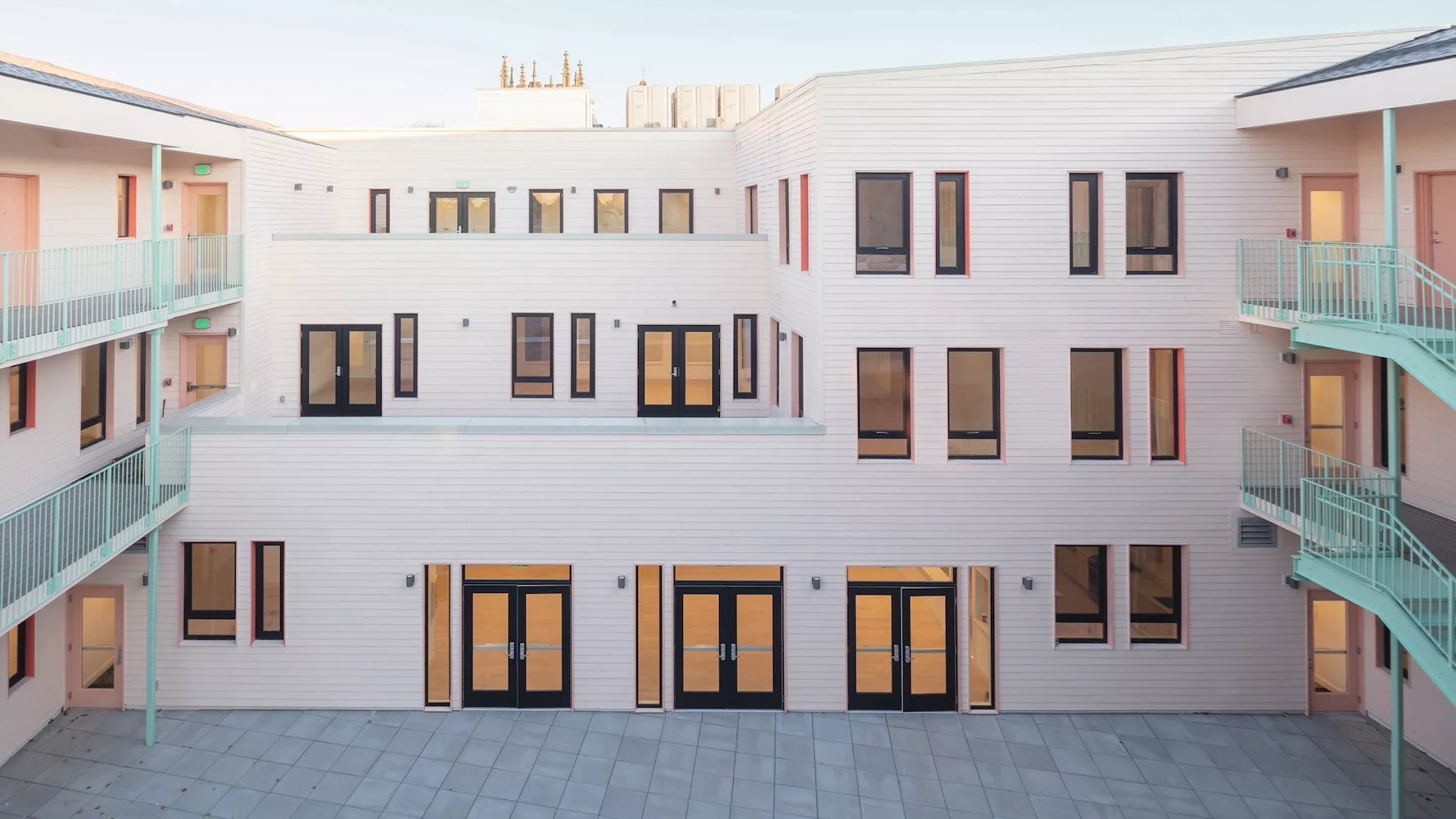
The Architectural League of New York has announced the latest cohort of eight North American practitioners to join the ranks of Emerging Voices, the nonprofit’s juried competition recognizing individuals and firms hailing from the United States, Canada, and Mexico whose work “represents the best of its kind and resourcefully employs architectural thinking to address contemporary concerns within the discipline and broader community.”
Five of this year’s Emerging Voices are based in the United States, while two are Mexican and one Canadian. Four of the winners are past RECORD Design Vanguards: Washington, D.C.-based BLDUS (2023); Brooklyn’s CO Adaptive (2022); G3 Arquitectos of Querétaro, Mexico (2019); and Boston-based French 2D (2019), whose founders Anda and Jenny French were also featured presenters at RECORD’s 2025 Innovation Conference in New York. Joining these practices as Emerging Voices are Chicago’s Future Firm, Los Angeles–based Hopson Rodstrom Design, Vancouver’s D’Arcy Jones Architects, and Mexico City–based nonprofit Cooperación Comunitaria.
Recognizing young individuals and firms with a significant amount of built work who are also active in academia, advocacy, and other pursuits, Emerging Voices observed an annual cycle in its first 43 years before converting to a biennial format in early 2024. It now alternates years with the Architectural League’s other signature awards program, the League Prize for Young Architects + Designers, which is open to designers ten years or less out of a bachelor’s or master’s degree program, also encompasses a lecture series and exhibition.
The 2026 Emerging Voices jury comprised Isabel Abascal, Irene Cheng, Felecia Davis, David Godshall, Mae-ling Lokko, Ana Miljački, Miriam Peterson, Susan T. Rodriguez, and Kate Wagner. Says Abascal, co-founder of LANZA Atelier and a 2023 Emerging Voices winner, of this year’s cohort: “The 2026 Emerging Voices are practices with a clear awareness of our shared ecological crisis and an understanding that architecture is a collective process shaped by a broad range of stakeholders. Together, they propose strategies to transform architectural practice through adaptive reuse, attention to vernacular constructive methods, and educational initiatives, suggesting that the future of architecture as a discipline must be grounded in environmental responsibility.”
Below are this year’s Emerging Voices, including brief summaries of each winner provided by the Architectural League. As with recent past cycles, the League will host a free online lecture series throughout the month of March highlighting the work and practice of each of the awardees.
Jack Becker, Andrew Linn | BLDUS
Washington, D.C.
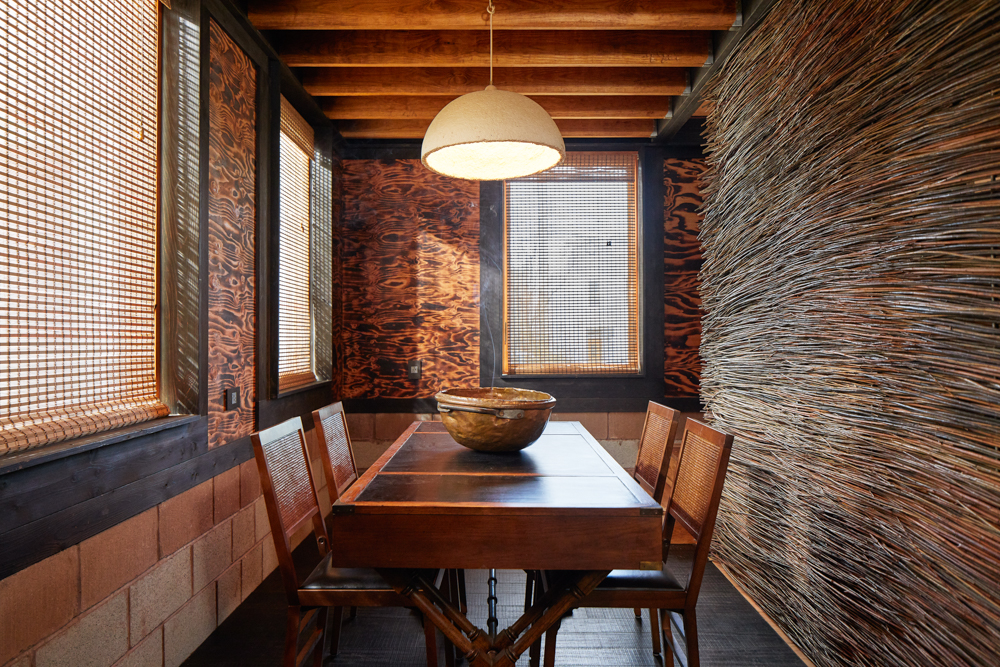
Grass House (interior) by BLDUS, Washington D.C, 2019. Photo © Ty Cole
Jack Becker and Andrew Linn founded B L D U S in Washington, DC, in 2013. The firm’s housing-focused portfolio includes renovating historic structures in southeast Washington, D.C., and building infill housing in historically neglected areas of the federal district. Across projects, BLDUS prioritizes the use of natural materials both local, like oak and black locust, and renewable, such as cork and bamboo, to create “healthy domestic architecture fit for the Mid-Atlantic climate.” This focus on unconventional building materials draws on the firm’s expertise across fields and trades, including architecture, development, and carpentry.
Looking for quick answers on architecture and design topics?
Try Ask RECORD, our new smart AI search tool.
Ask RECORD →
Bobby Johnston, Ruth Mandl | CO Adaptive
Brooklyn, New York
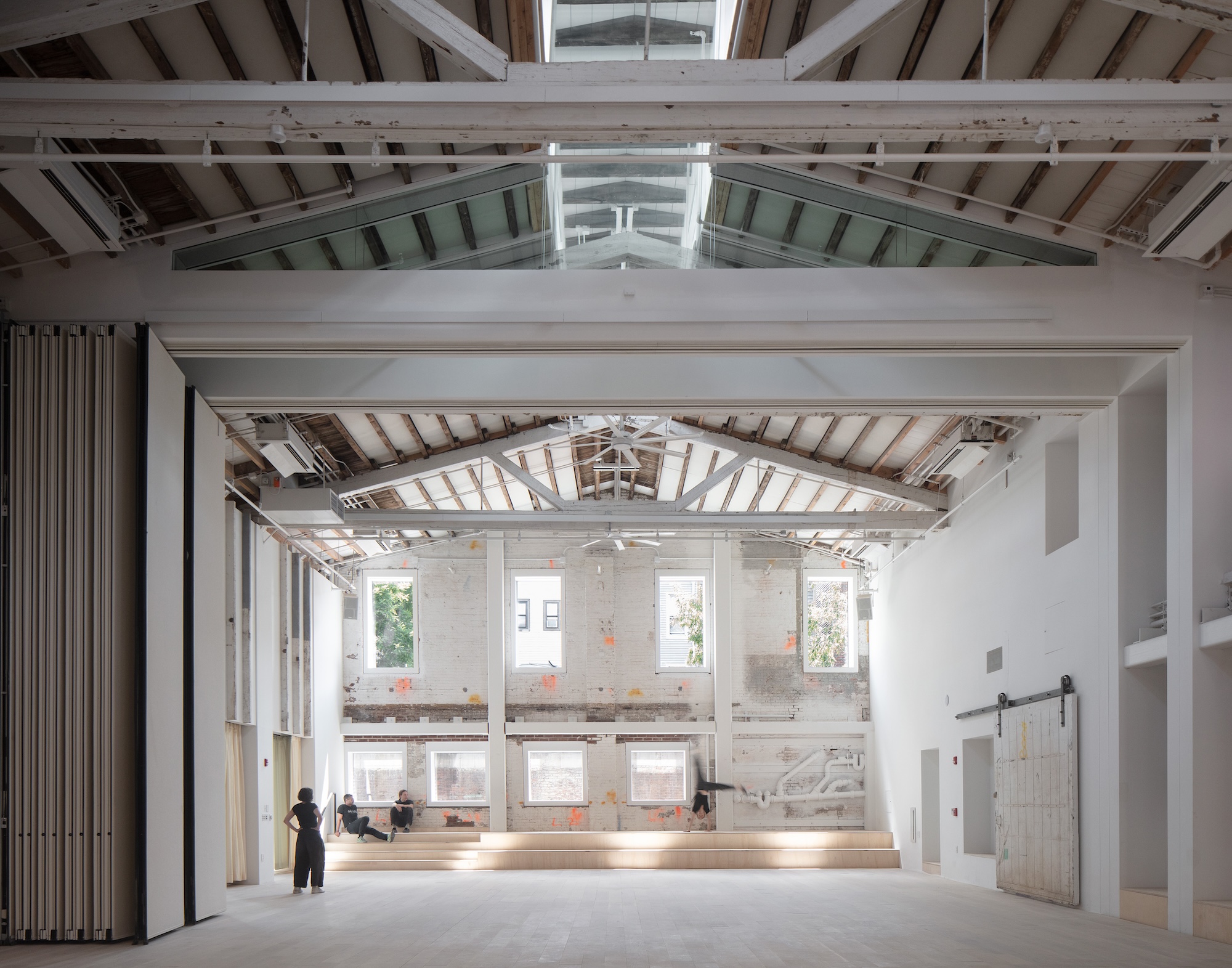
Timber Adaptive Reuse Theater by CO Adaptive, Brooklyn, 2021. Photo © Naho Kubota
New York City–based design firm CO Adaptive’s work spans adaptive reuse and retrofits of residential, creative, and civic spaces with a focus on circularity—preserving and repurposing preexisting building materials in renovation projects. Founded in 2011 by Bobby Johnston and Ruth Mandl, the firm has progressively expanded its scope to include construction, deconstruction, and material salvage with the establishment of CO Adaptive Building and CO Adaptive Disassembly, reflecting their belief that “bridging disciplines is essential to effecting change.”
Isadora Hastings García, Gerson Huerta García, José Jesús Álvarez Gutierrez, Silvia Elis Martínez Hernández, Lizet Zaldivar López | Cooperación Comunitaria
Mexico City
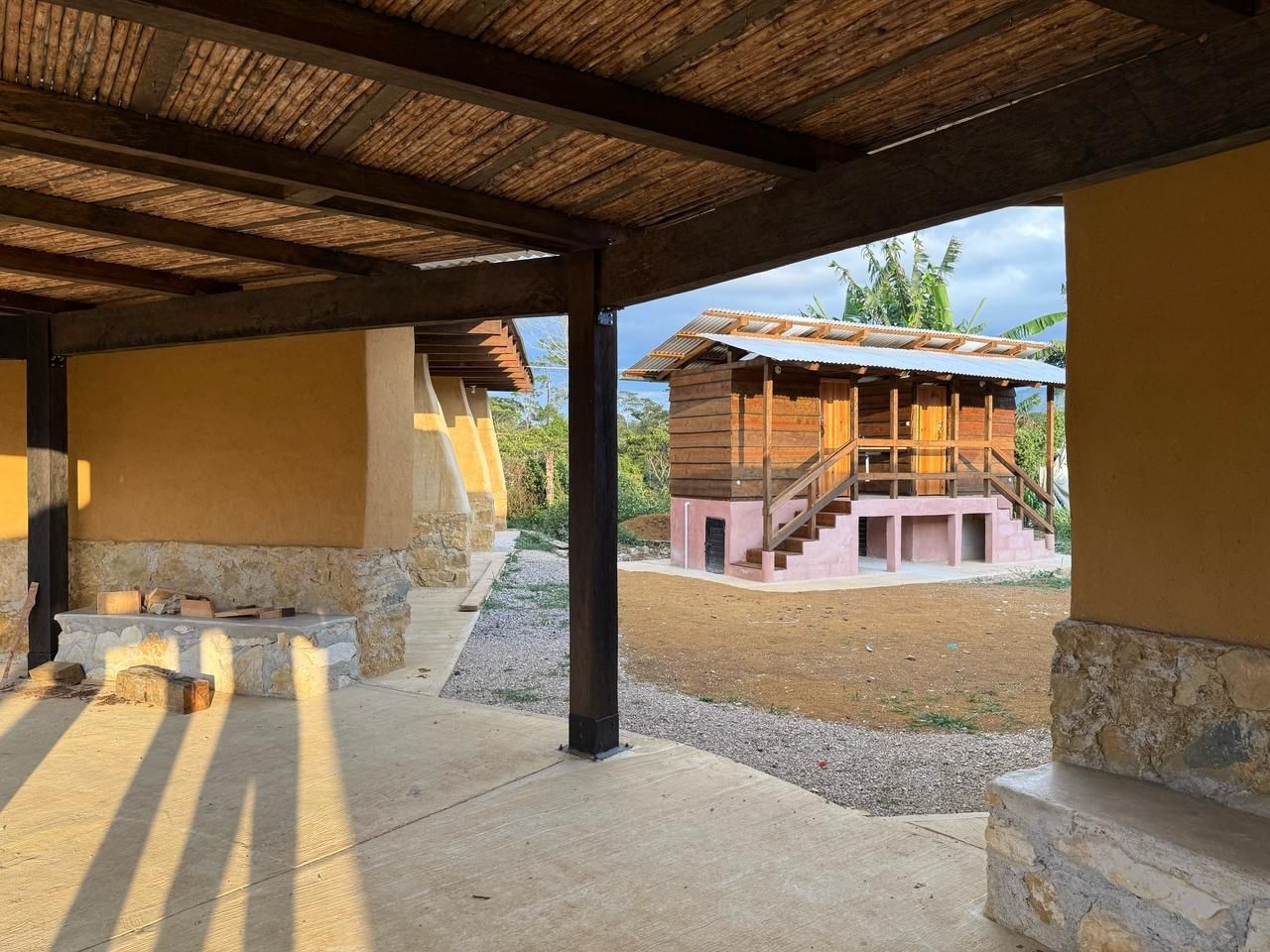
Bahtzel Community Center of Adobe by Cooperación Comunitaria, Chilón, México, 2025. Photo © Cooperación Comunitaria
Cooperación Comunitaria works with rural Mexican communities to rebuild homes and communal facilities after natural disasters. Inviting community participation throughout the design process and integrating local ancestral knowledge with technical expertise, Cooperación Comunitaria’s practice is oriented toward “recognizing inhabitants as rights-holders and prioritizing self-management of territory, housing, livelihoods, and natural common goods.” Founded in 2012 by Isadora Hastings García and Gerson Huerta García, the practice today includes Silvia Elis Martínez Hernández, José Jesús Álvarez Gutiérrez, and Lizet Zaldivar López.
D’Arcy Jones | D’Arcy Jones Architects
Vancouver
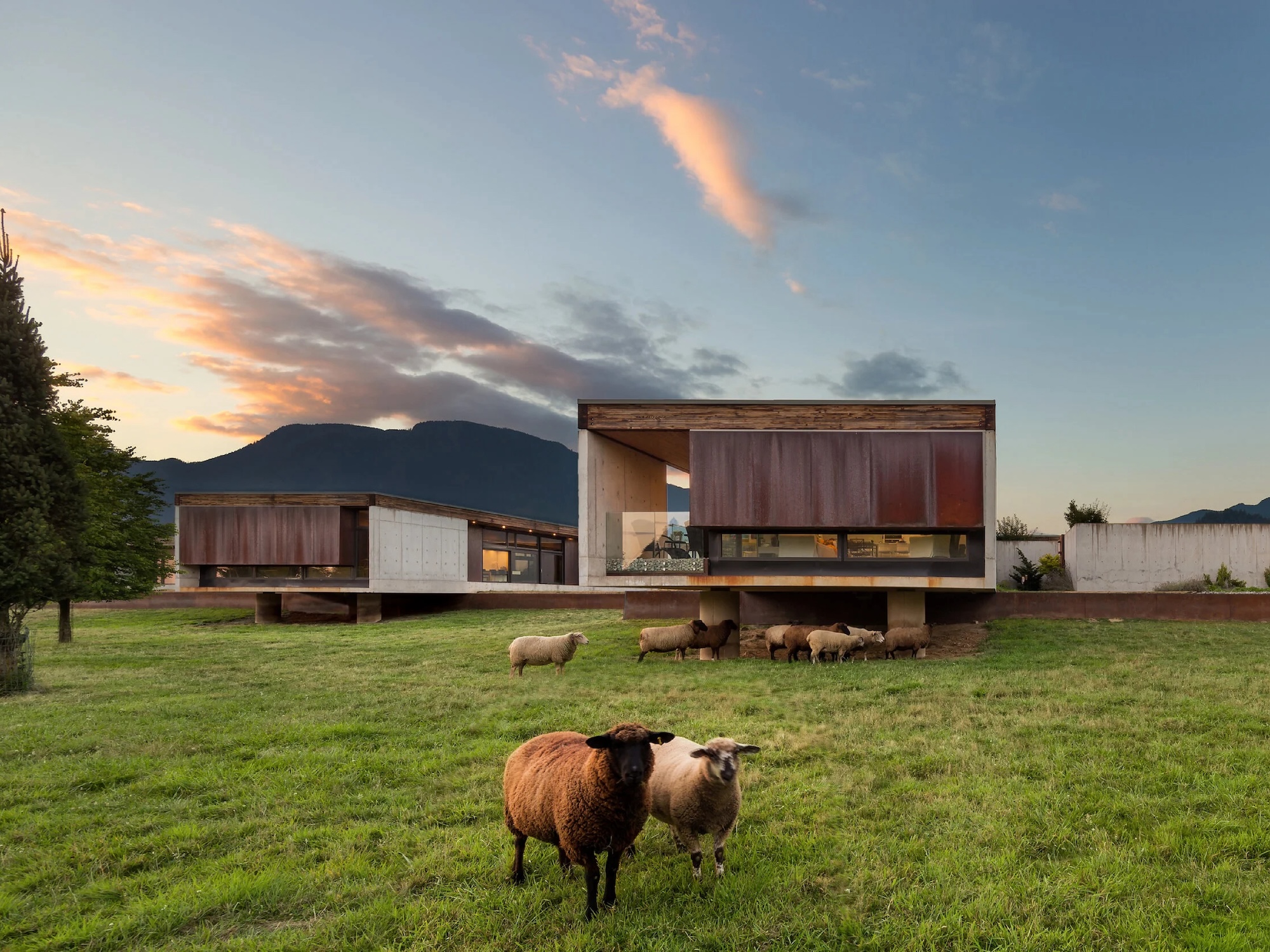
Ha-ha Housebarn by D'Arcy Jones Architects, Agassiz, British Columbia, 2012. Photo © Sama Jim Canzian
Led by D’Arcy Jones, design firm D’Arcy Jones Architects has developed an expansive portfolio ranging from single and multi-family residential projects and commercial spaces to arts and cultural projects across urban and rural areas of British Columbia. Jones founded the practice in 1999 in Vancouver. Distinguished by its formal invention and deep commitment to craft, the firm seeks to ask “how habit, function, construction, beauty, and even chance shape the spaces we make.”
Anda French, Jenny French | French 2D
Boston
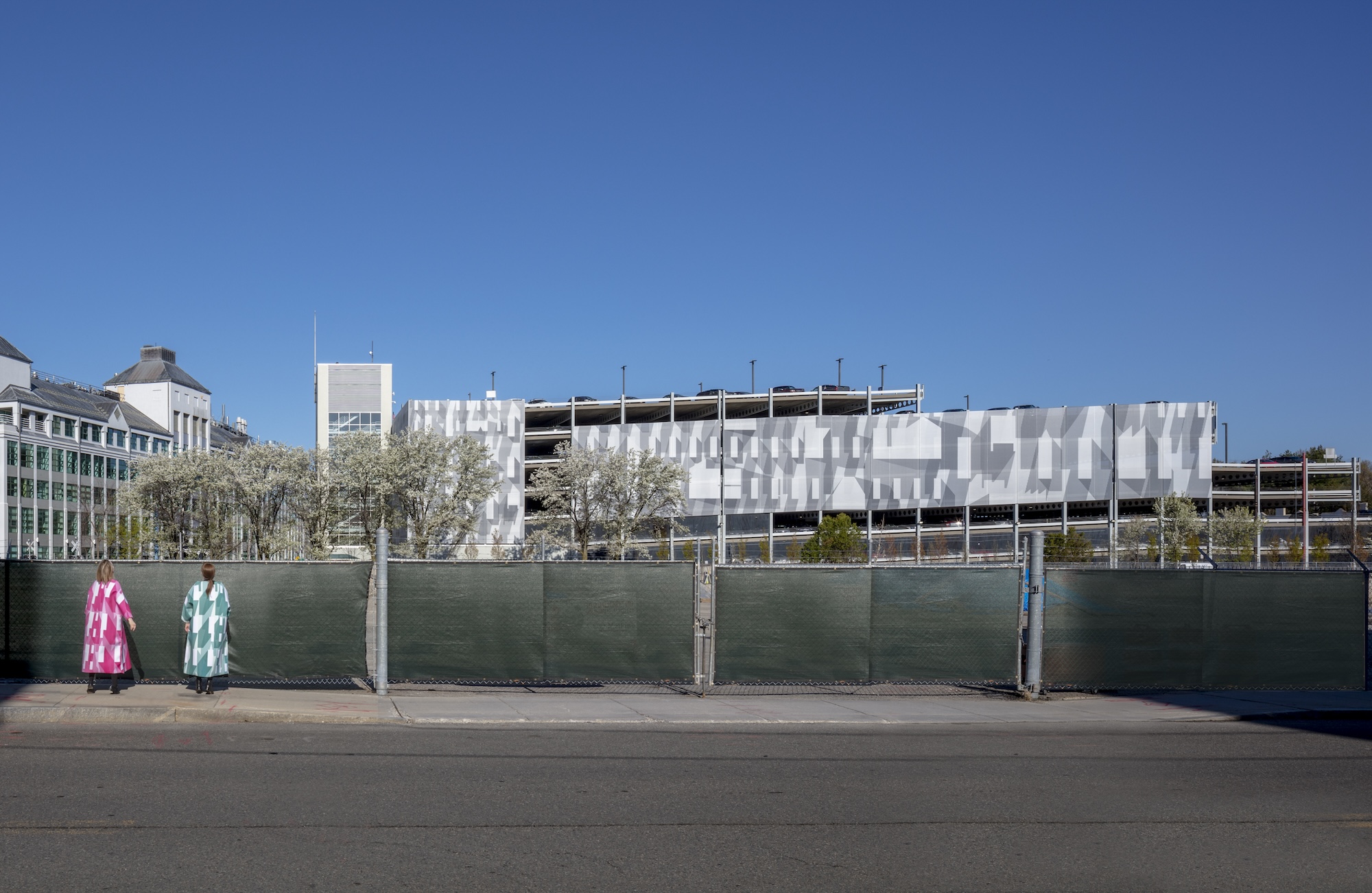
Kendall Square Garage Screens by French 2D, Cambridge, Massachusetts, 2019. Photo © James Horner
Founded in Boston by Anda French and Jenny French in 2012, French 2D’s work spans large-scale multi-family and micro-housing projects, public infrastructure, and cultural institutions. The firm employs what they call “strange housing types” across residential developments and installations, which challenge familiar domestic ideas through radical organizations and typologies. French 2D’s work is grounded in “the pursuit of new forms of collective resilience, with a focus on the social consequences of material, thermal, and formal effects.”
Ann Lui, Craig Reschke, Linda Chávez Baca | Future Firm
Chicago
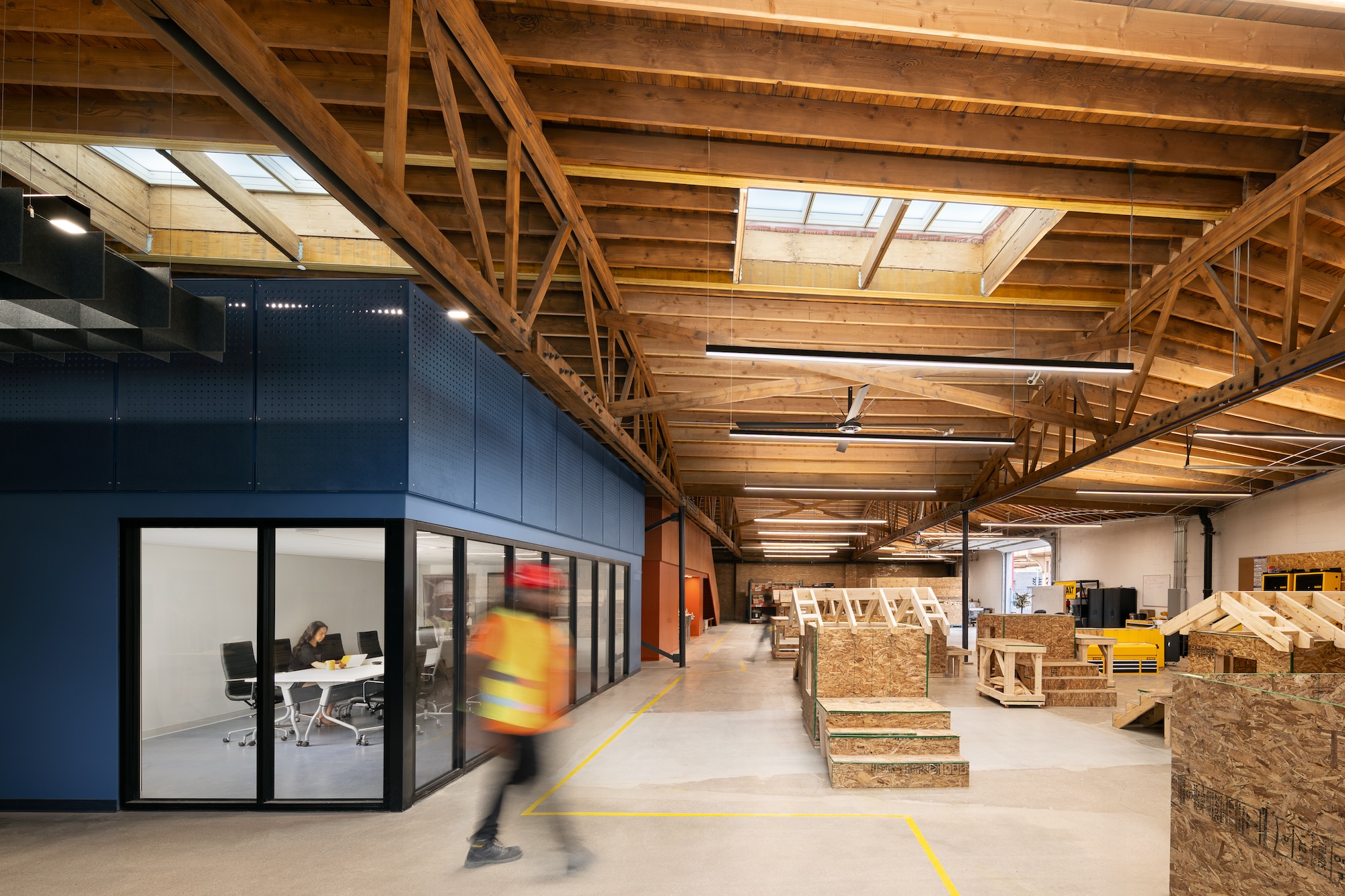
Revolution Workshop by Future Firm, Chicago, 2025. Photo © Daniel Kelleghan
Ann Lui and Craig Reschke founded Future Firm in Chicago in 2015, and Linda Chavez Beca joined the firm as a principal in 2023. Working closely with mission-driven nonprofits, community residents, and small-business owners, the firm’s portfolio includes residential projects, arts and culture venues, public installations, and makerspaces. Believing that “architecture is both a tool for imagining and a means for building the world we want to live in,” Future Firm’s work seeks to expand the traditional scope of architectural practices, from raising capital and political will to proposing zoning amendments.
Juan Alfonso Garduño Jardon, María de los Ángeles Garduño Jardon | G3 Arquitectos
Querétaro, Mexico
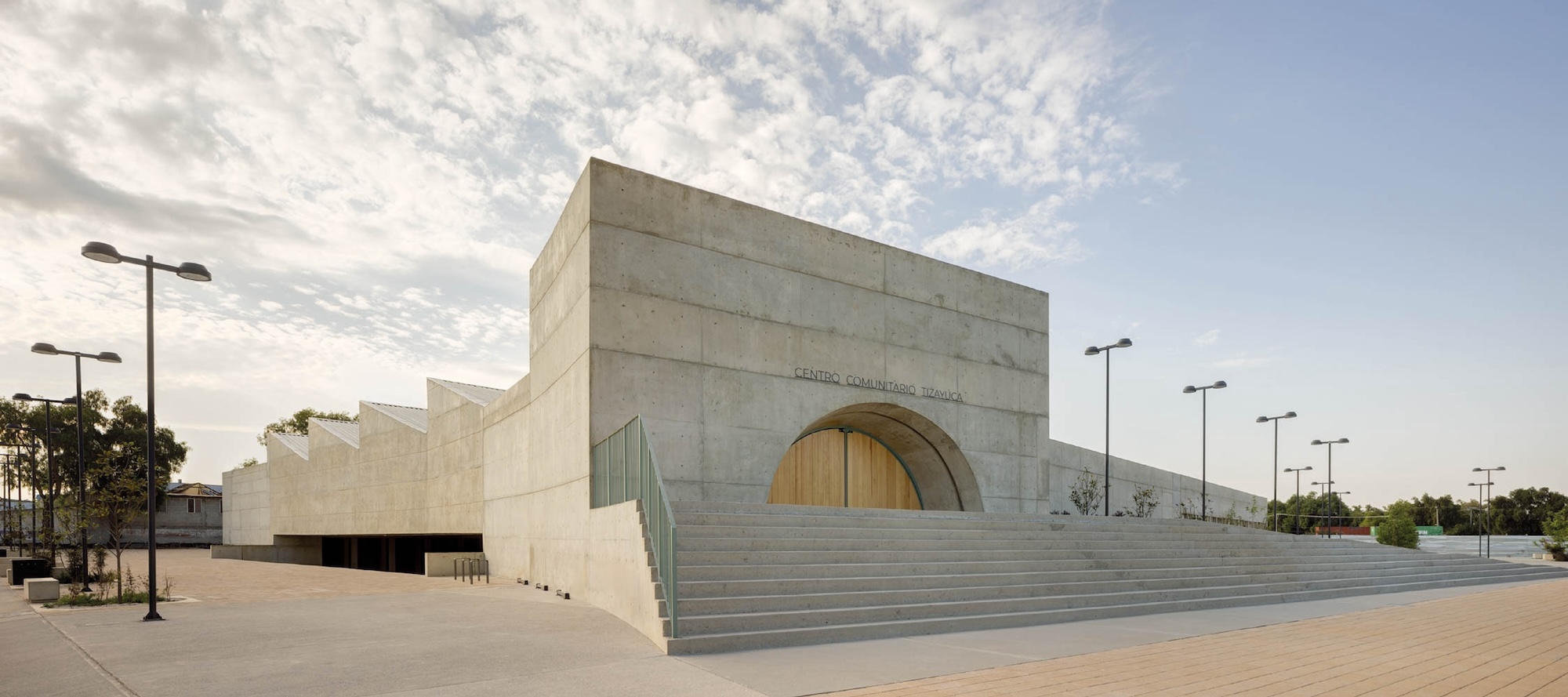
Centro de Desarrollo Comunitario de Tizayuca by G3 Arquitectos, Tizayuca, México, 2024. Photo © Rafael Gamo
Founded in Querétaro in 1997 by Juan Alfonso Garduño Jardón and María de los Ángeles Garduño Jardón (with Armando González Medina, who later departed the practice), G3 Arquitectos has developed a significant portfolio of civic and residential projects in the central Mexican region. The firm states that architecture and urban design must “actively contribute to the construction of a more humane and balanced living environment.” In addition to built projects, G3 Arquitectos has led urban strategy research to improve the quality of life in Querétaro’s marginalized communities and hosts Casa de Arquitectura, an architecture conference that connects Querétaro to the international design community.
Nick Hopson, Klara Rodstrom | Hopson Rodstrom Design
Los Angeles
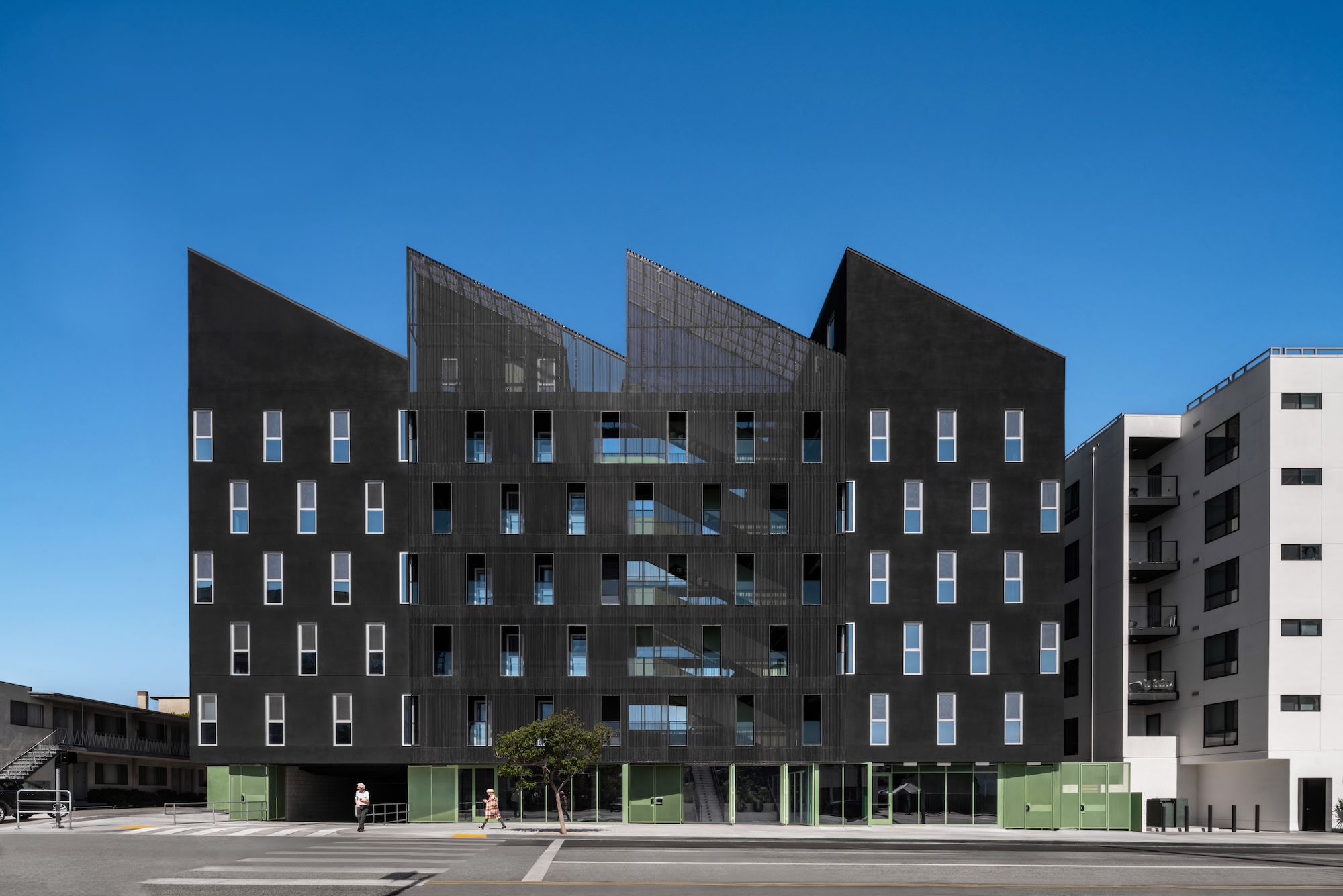
The Jagger by Hopson Rodstrom Design, Los Angeles, 2023. Photo by Paul Vu, Here and Now Agency
Hopson Rodstrom Design focuses on a wide range of housing typologies, including single-family, multi-family, transitional housing, and community spaces at a variety of scales. With each design, Hopson Rodstrom Design aims to balance playfulness with sincerity through creative use of material, color, light, and texture. Founded in Los Angeles in 2015 by Nick Hopson and Klara Rodstrom and primarily working in Southern California, the firm’s work is shaped by local context and stakeholders and guided by the belief in “the power of dialogue, collaboration, and respect for diverse experiences and perspectives.”
Looking for a reprint of this article?
From high-res PDFs to custom plaques, order your copy today!