Spanish Practice Flow81 Converts a Call Center in Málaga into an Online University’s Headquarters

Atlantic-Mediterranean Technical University (UTAMED), Málaga, Spain.
Architects & Firms
In this bold transformation, a former telephone call center situated in a tech park in Málaga, Spain—a classic example of what Rem Koolhaas memorably called junk space—has been repurposed as the campus of the Atlantic-Mediterranean Technical University (UTAMED in its Spanish initials), a private, fully online institution dedicated to vocational education.
Working with a tight budget, local architectural practice Flow81, headed by the couple Lourdes Arregui and Ignacio Merino with Gonzalo Merino, sought to infuse the 2002 building with a sense of identity, community, and youthful energy, while upgrading its technical performance through sustainable means.
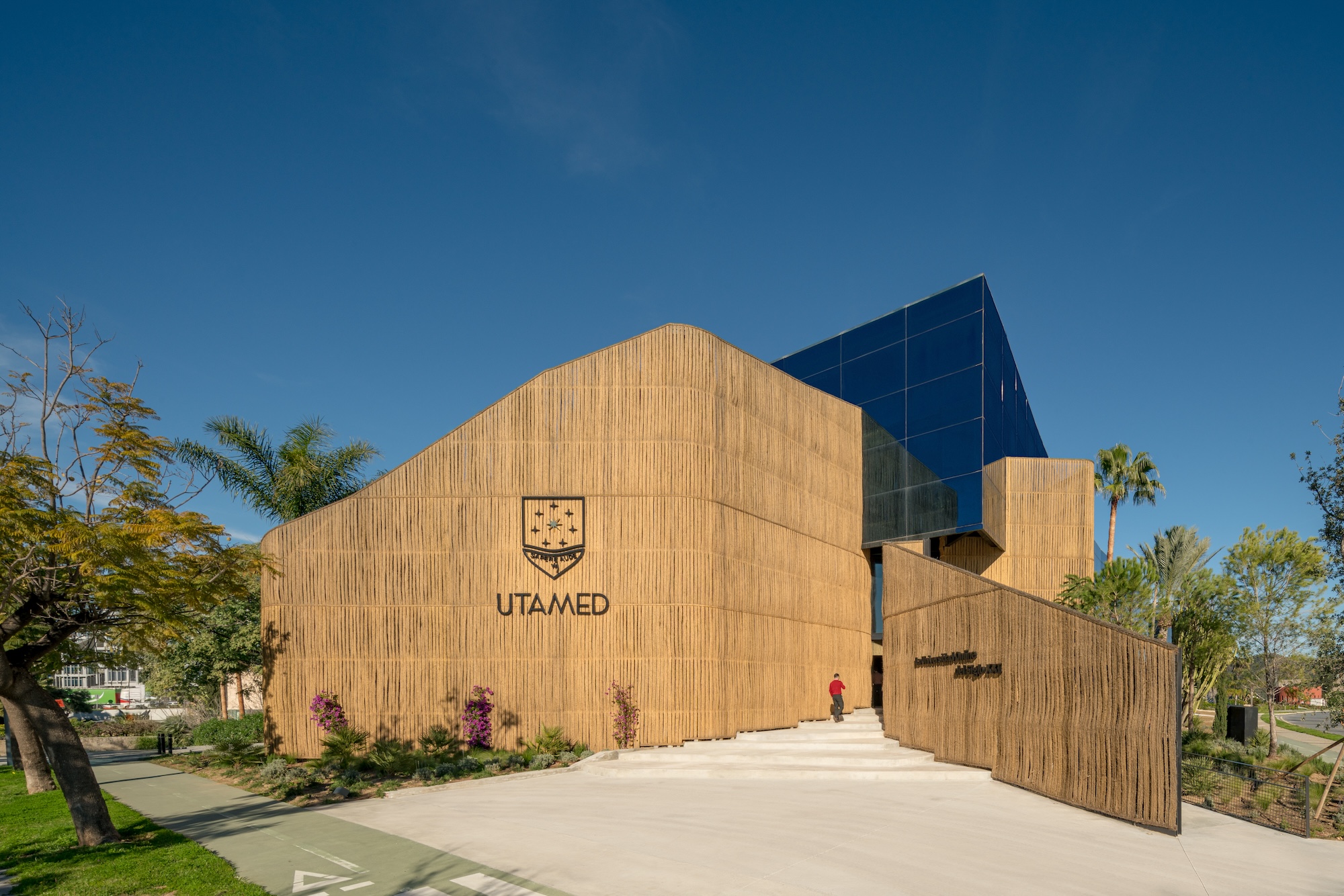
Photo © Fernando Gomez/Loveladrillo
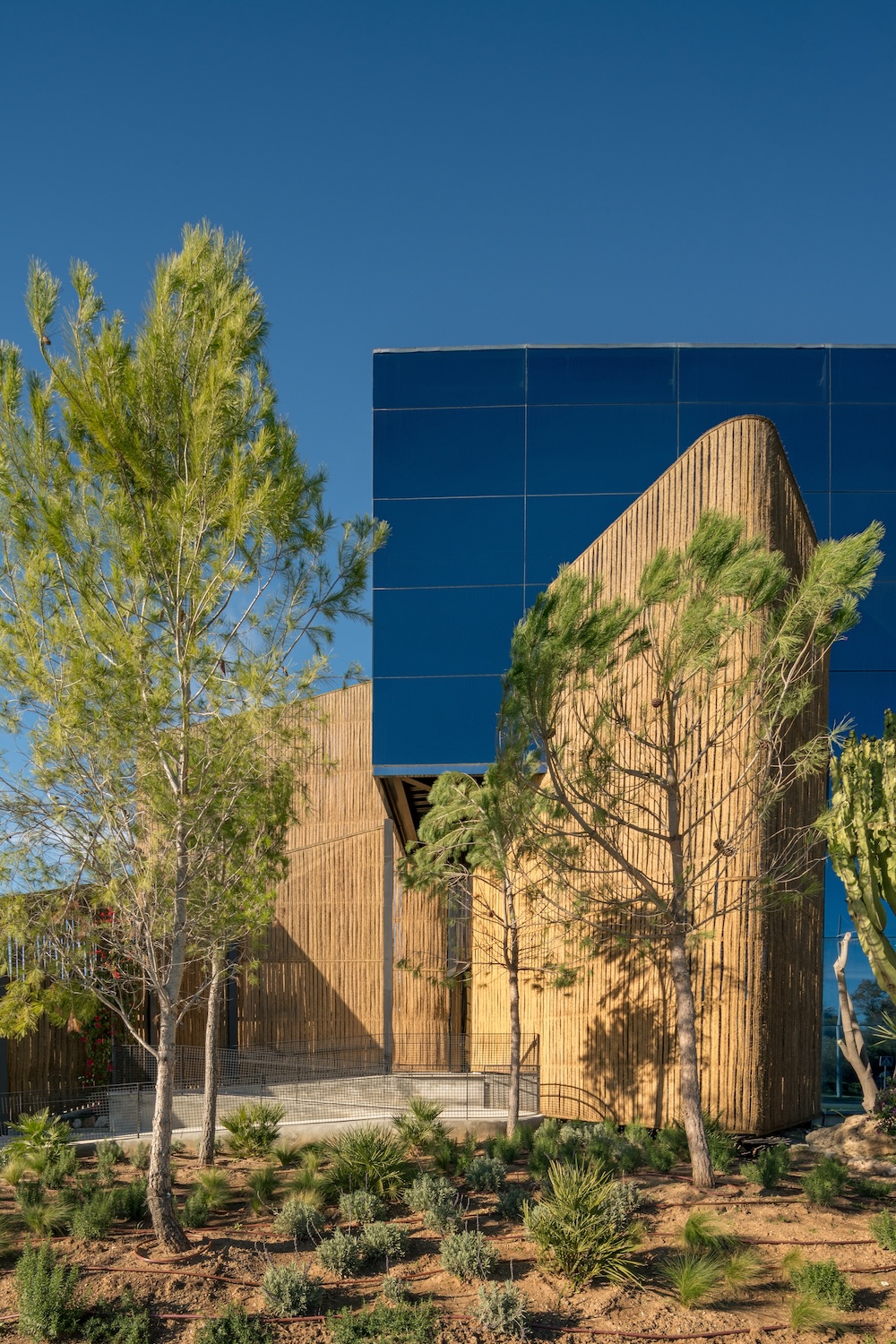
Photo © Fernando Gomez/Loveladrillo
The initiative for the school is backed by the regional government of Andalucía, and its founders wanted a “campus” immersed in a spirit of regional pride and dedication to service. The program is designed for students unable to study full-time in Málaga due to the city’s high housing costs. Tuition is relatively modest and more than 15 percent of the 4,000 incoming students next year will receive scholarships.
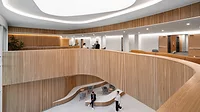
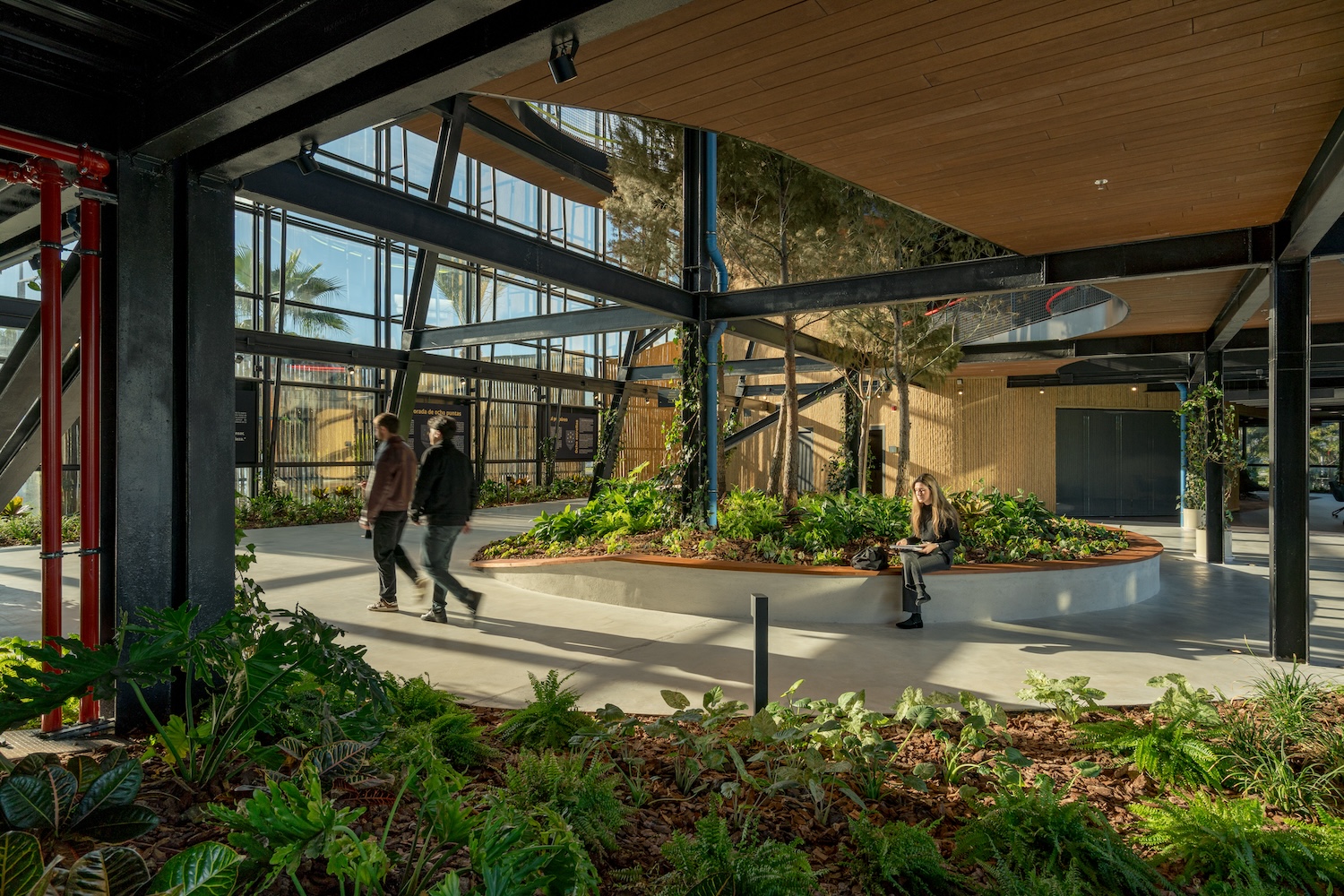
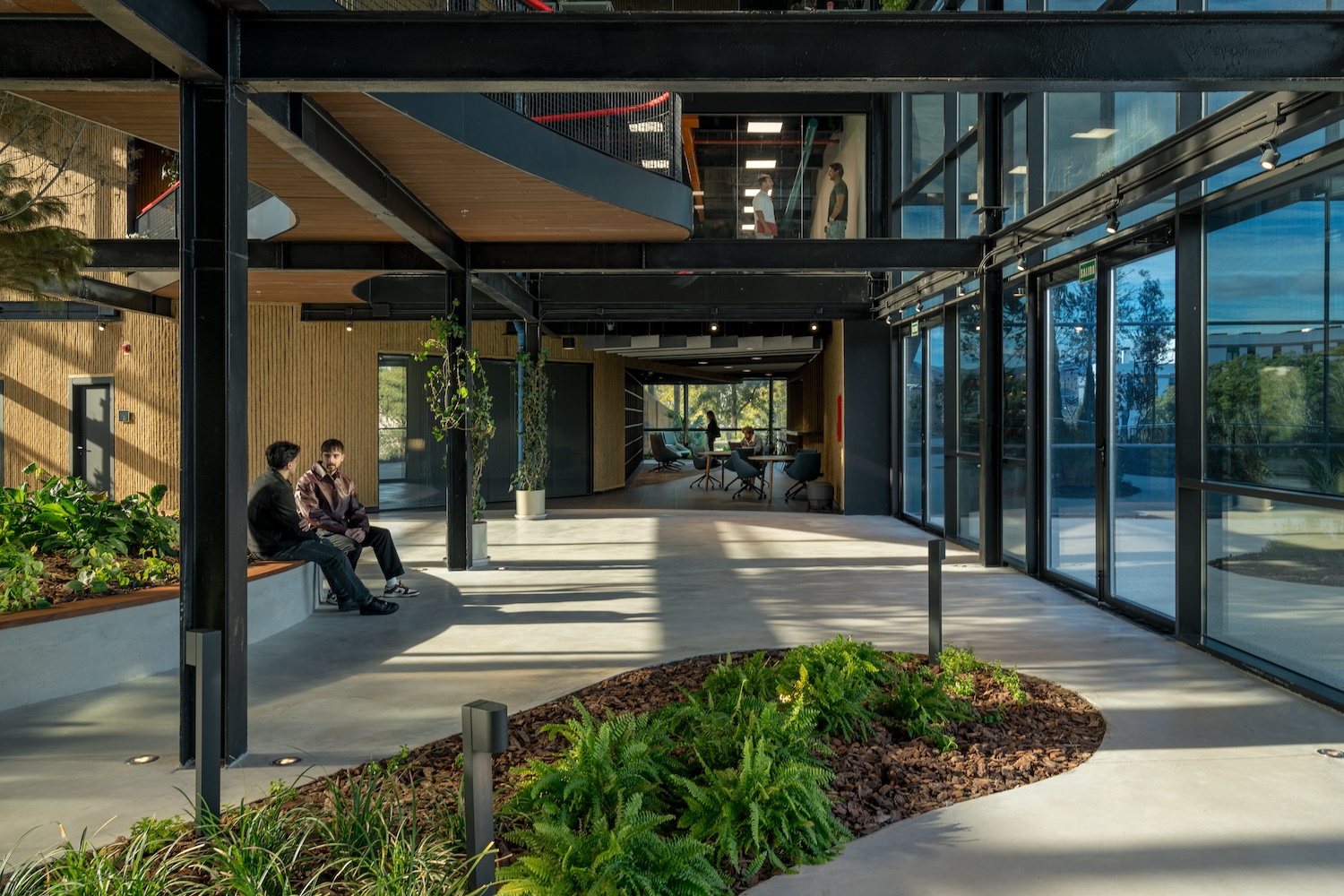
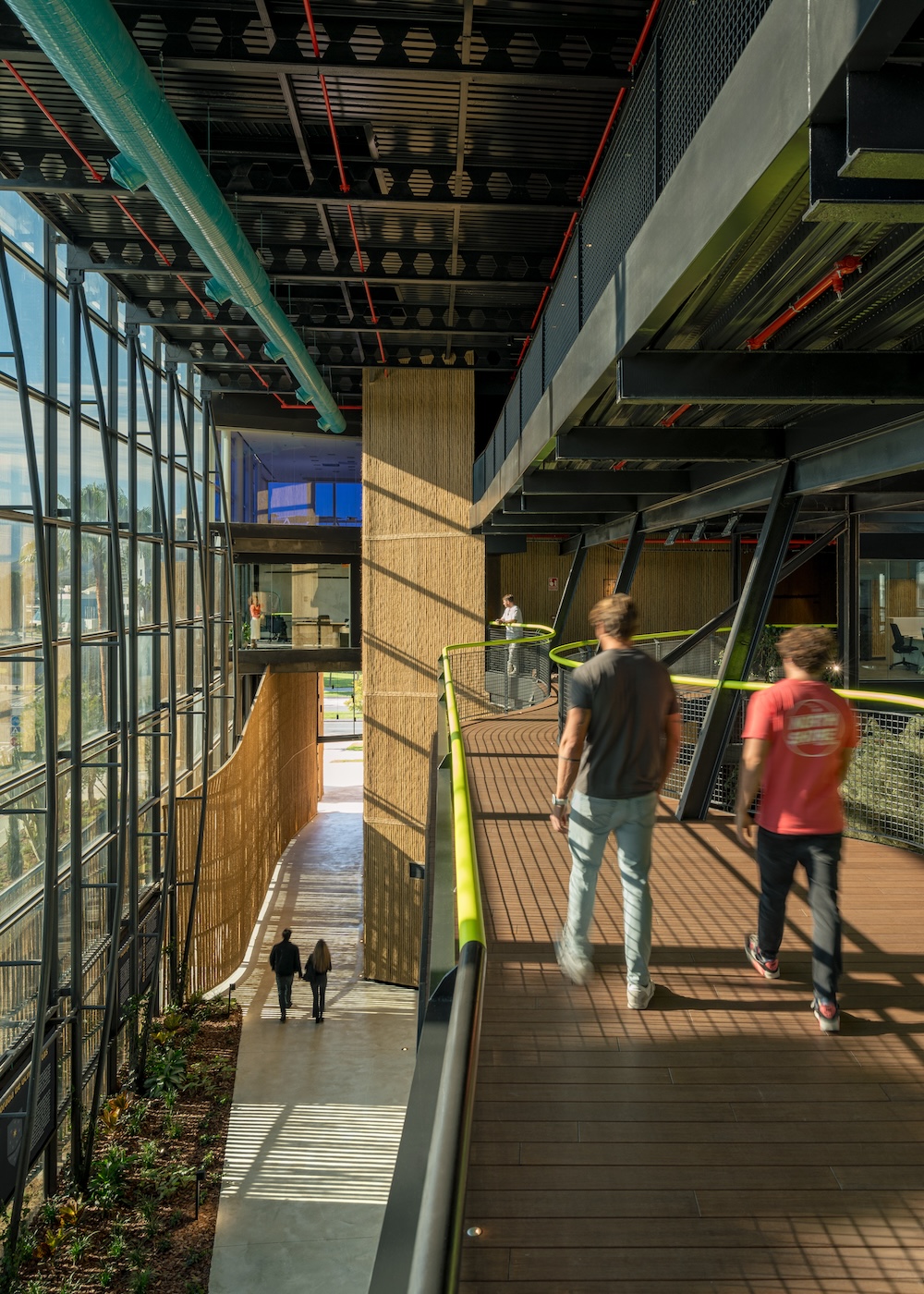
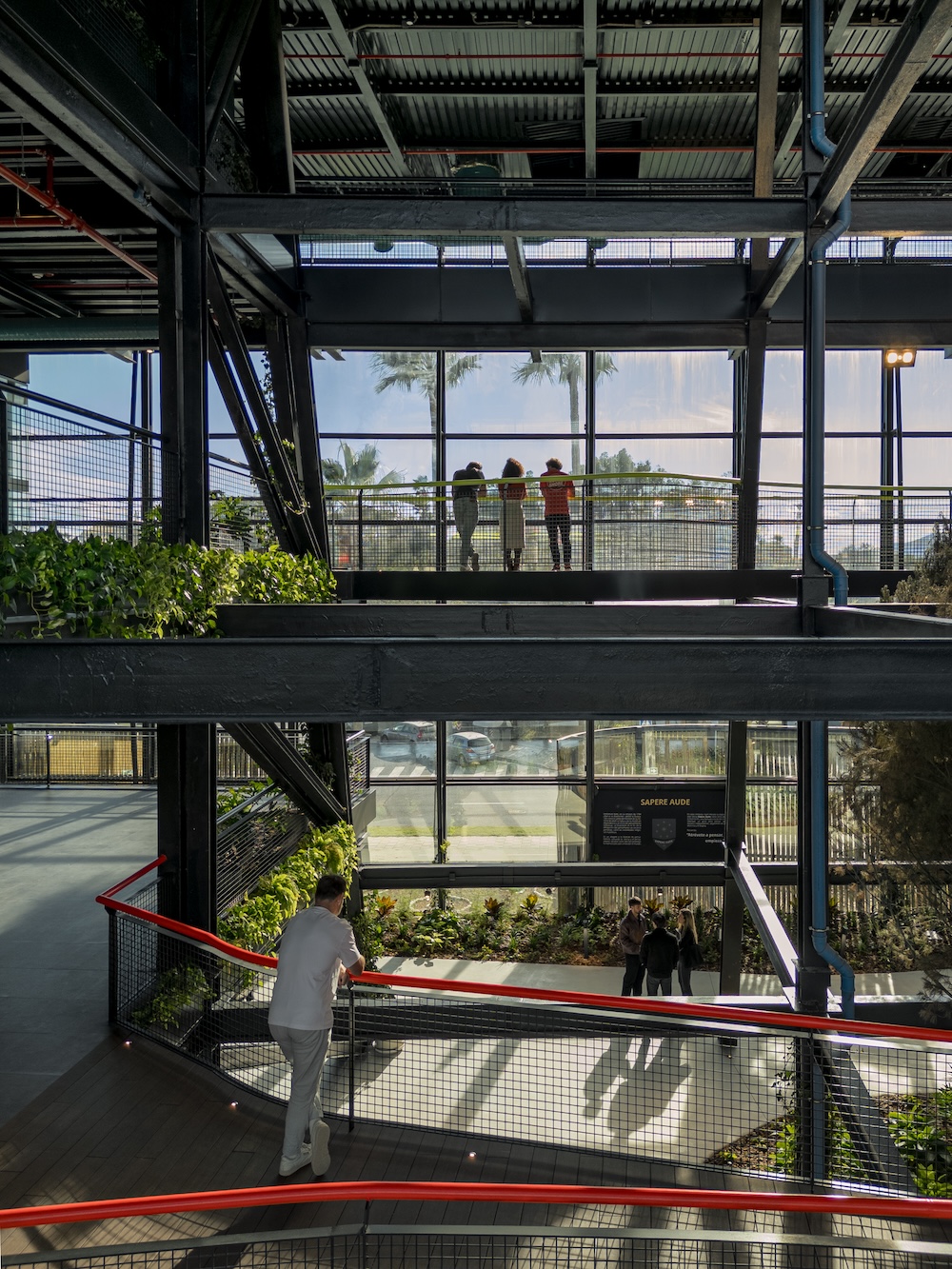
The architects’ interventions address these goals with radical efficiency. For starters, what could be done about the insipid L-shaped floor plan with its unequal arms and corner entrance? Producing a center of gravity for the new campus, a courtyard, like those of traditional houses in the region, was a solution rooted in local climate and identity. To create the new space, the team drilled a circular void through the four floors of the largest arm, removing nearly a quarter of the 75,000 square feet of floor space, to create an interior court planted with ferns, hanging vines, trees, and other vegetation. The demolition left the steel structure exposed (it’s treated with fire retardant paint) and the weight of the trees required the structural reinforcing of the two-level parking garage under the building. The court is open to the diaphanous ground floor, where curbing partitions partially screen a lounge, cafeteria, and other public spaces. Above, curving aerial walkways with timber plank flooring and brightly colored handrails connect to classrooms, laboratories, and offices on the upper floors.
Photos © Fernando Gomez/Loveladrillo
The inefficient mirror glass facades, which were conserved for cost reasons, received some shock treatment as well. The architects erected two enormous curving screens of esparto grass along the full length of the principal southern exposures, to approach the effect of a ventilated cavity wall. The freestanding screens rise 45 feet and are supported by an independent steel structure with micro-pilings to allow movement under wind loads. Merino reports that they lower summer temperatures on the facades by 12 degrees.
 >
>
Photos © Fernando Gomez/Loveladrillo
Esparto is a natural, sustainable material that further identifies the building with Andalusian tradition. Though handcrafted, Merino explains that the grass screens were a surprisingly economic option. The fibrous grass is highly resilient, flexible, and lasts for decades, though it requires treatment for fire resistance. Its wide blades are hand-woven into braids in lengths of 70 feet, then cut and sewn into rugs, window shades, and other traditional products. The esparto for ITAMED was produced in Porcena, in the Andalusian province of Jaén. “We ordered 65,000 square feet,” recalls Merino, “and the whole village got to work.”
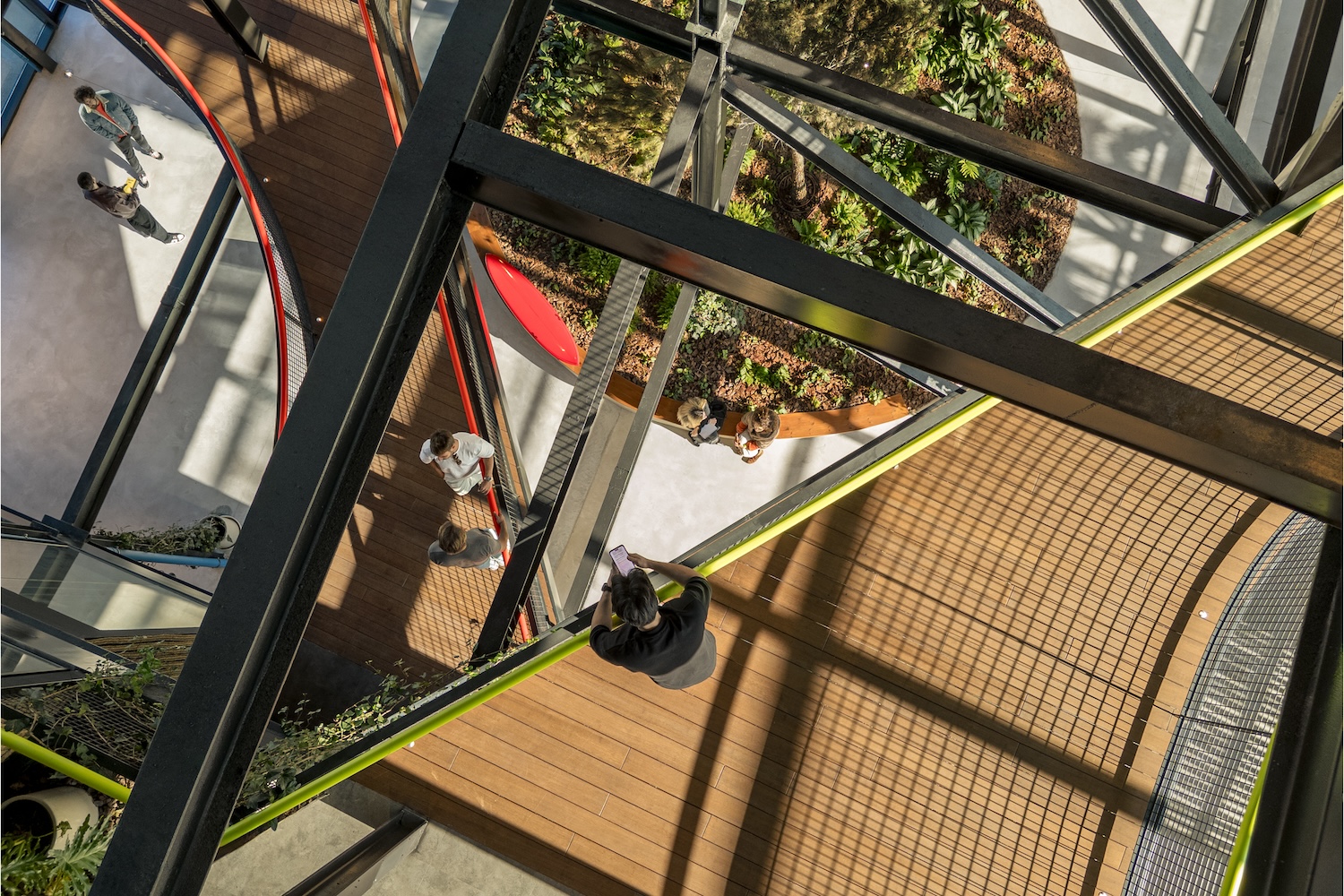
Photo © Fernando Gomez/Loveladrillo
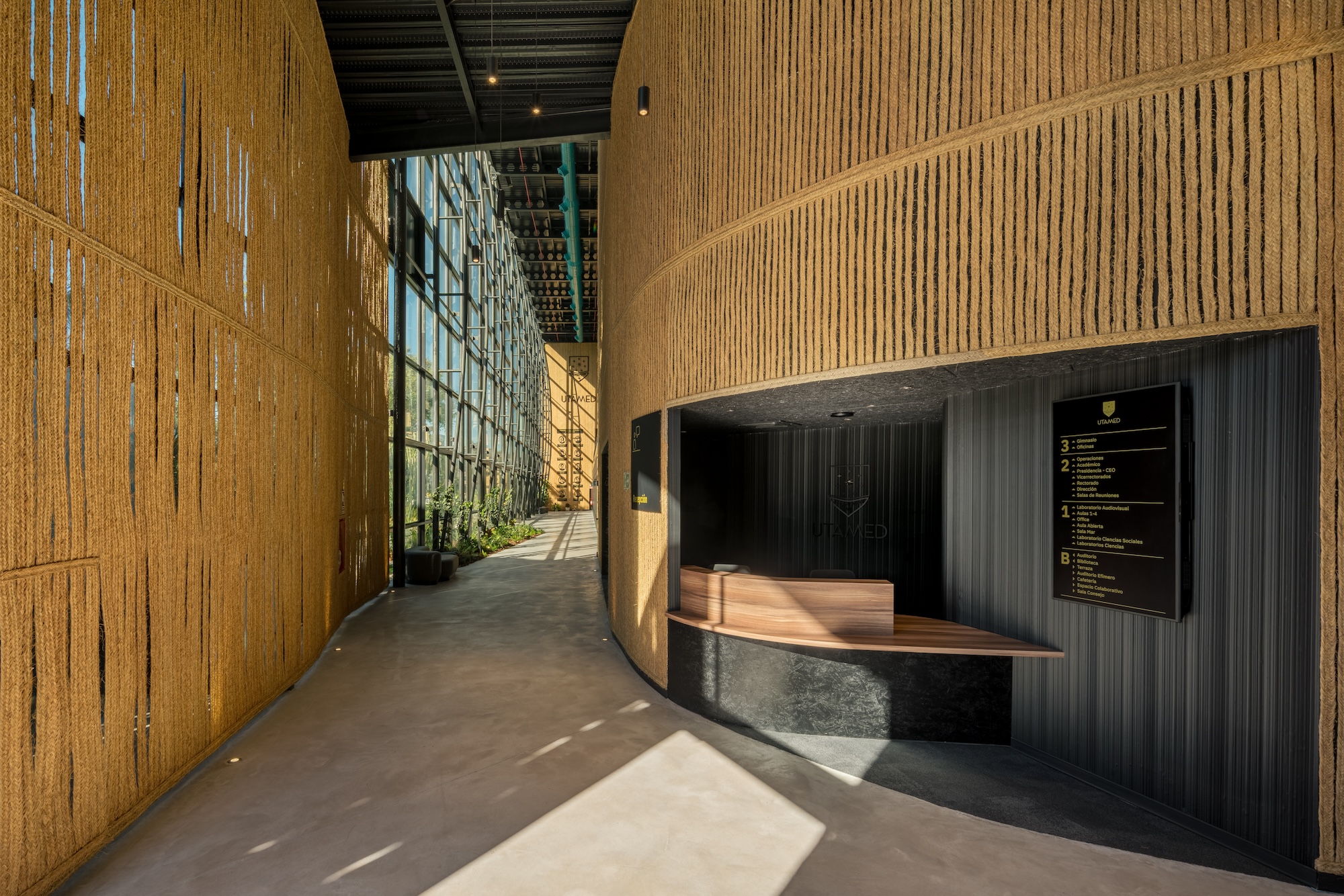
Inside, hanging braids of esparto are used as a window treatment to further mitigate solar heat gain. Woven panels of the grass cover most of the curving partitions, performing as an acoustical treatment and helping regulate humidity. The need for dropped acoustic tile ceilings was thus eliminated. Exposed ducts and pipes are painted in functionally coded colors.
Looking for quick answers on architecture and design topics?
Try Ask RECORD, our new smart AI search tool.
Ask RECORD →
More curving screens of esparto shade several small gardens that the architects have carved out of the roof of the underground garage on the north side of the building. New doors in the mirrored glass connect this rather desolate, concrete-paved terrace with ground-floor public spaces.
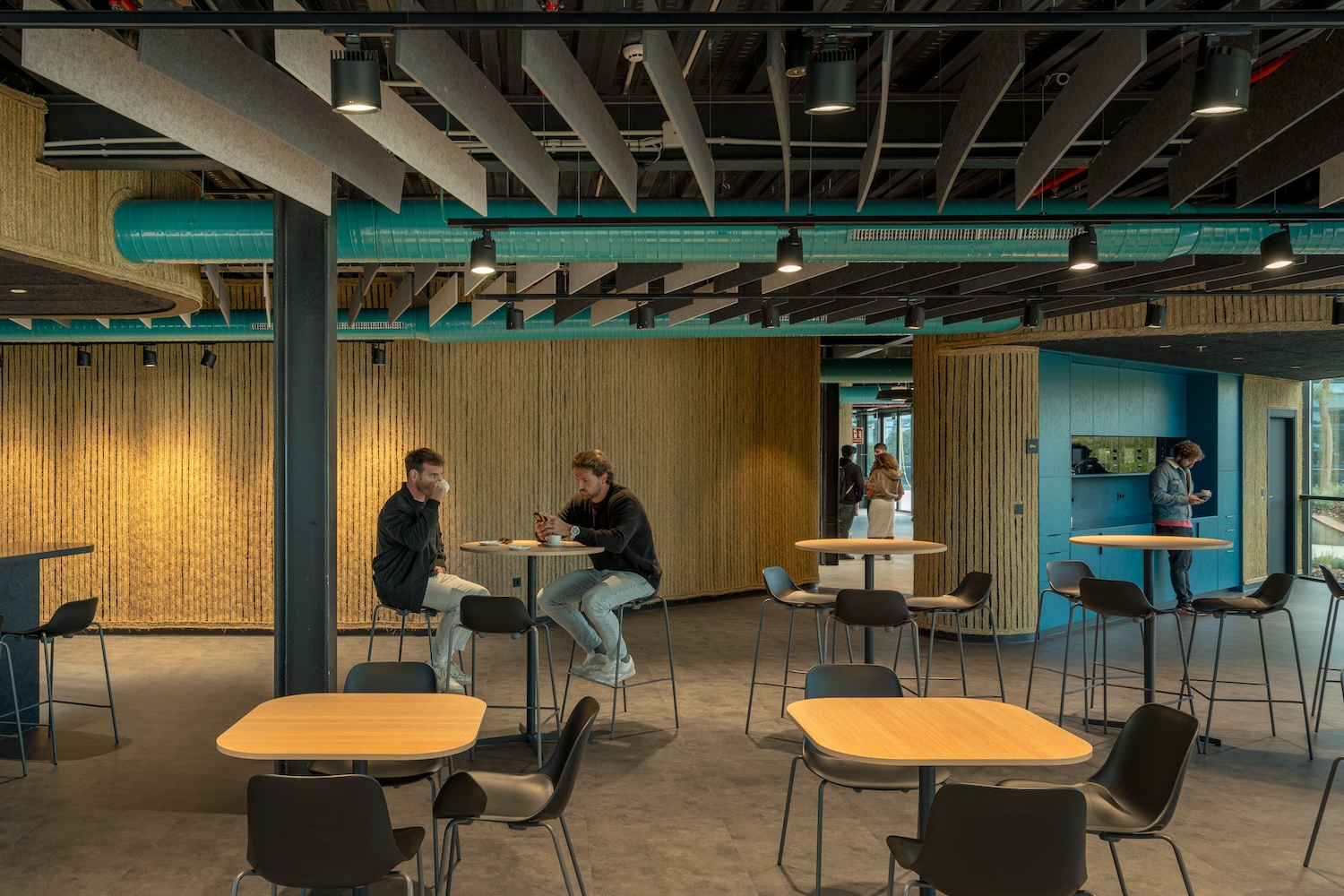
Photo © Fernando Gomez/Loveladrillo
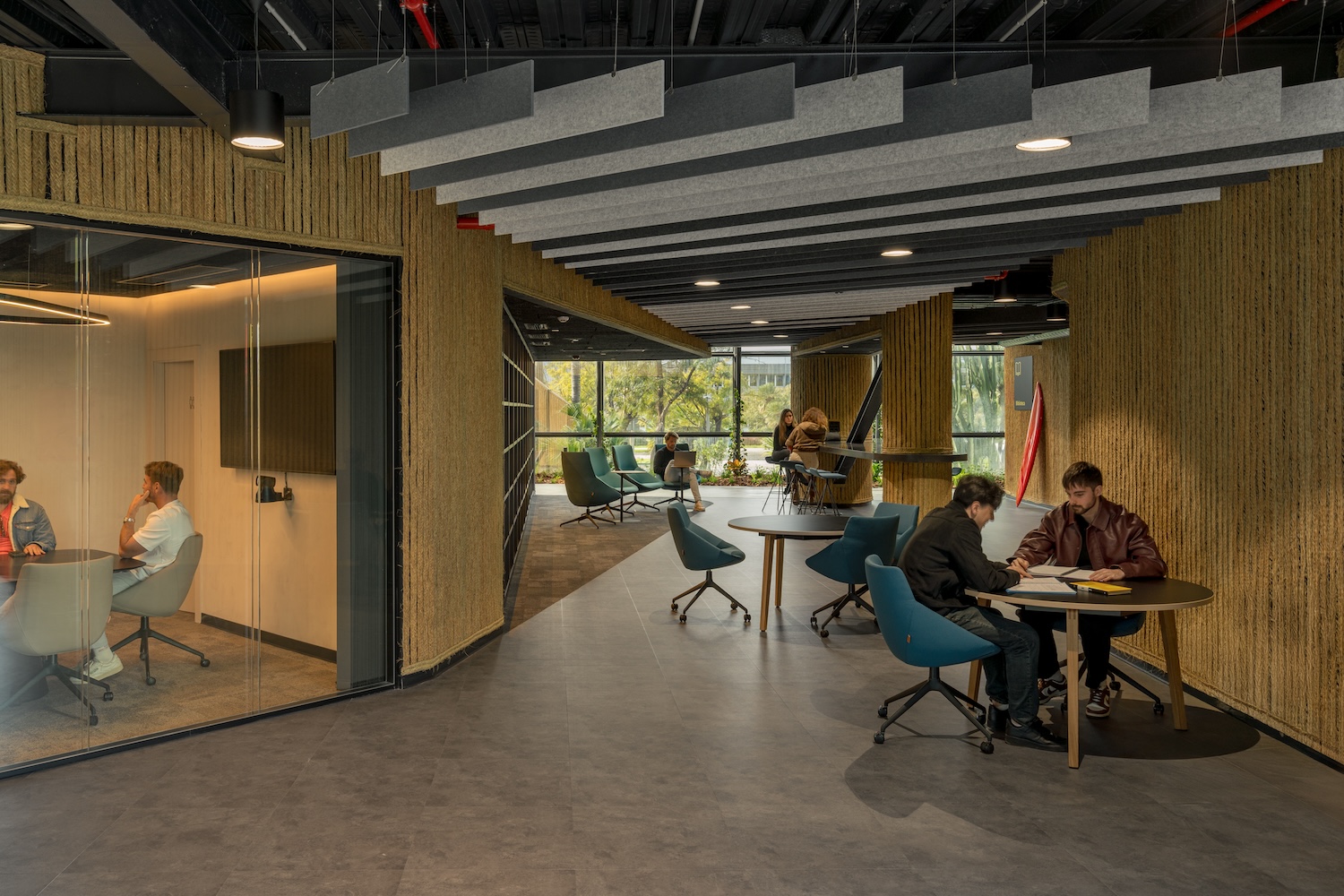
Photo © Fernando Gomez/Loveladrillo
An online university may at first seem similar to a call center—not a “place” in the full sense but a basecamp for meetings in cyberspace. However, online students must, by law, come to the school in-person for final exams as well as for laboratory exercises and other physical training. Considerable space is dedicated to teachers, administrators, a marketing department, and other functions. The school has also opened its public spaces to all-comers, converting it into the tech park’s de facto community center. Flow81’s design thus offers a clear demonstration of what architecture can accomplish, transforming “junk space” into a place that embodies the values and aspirations of a new institution, its stakeholders, and the people it serves.
Looking for a reprint of this article?
From high-res PDFs to custom plaques, order your copy today!