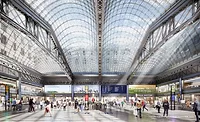
Amtrak and the Trump Administration Select a Halmar and Skanska-led Consortium to Redevelop Penn Station
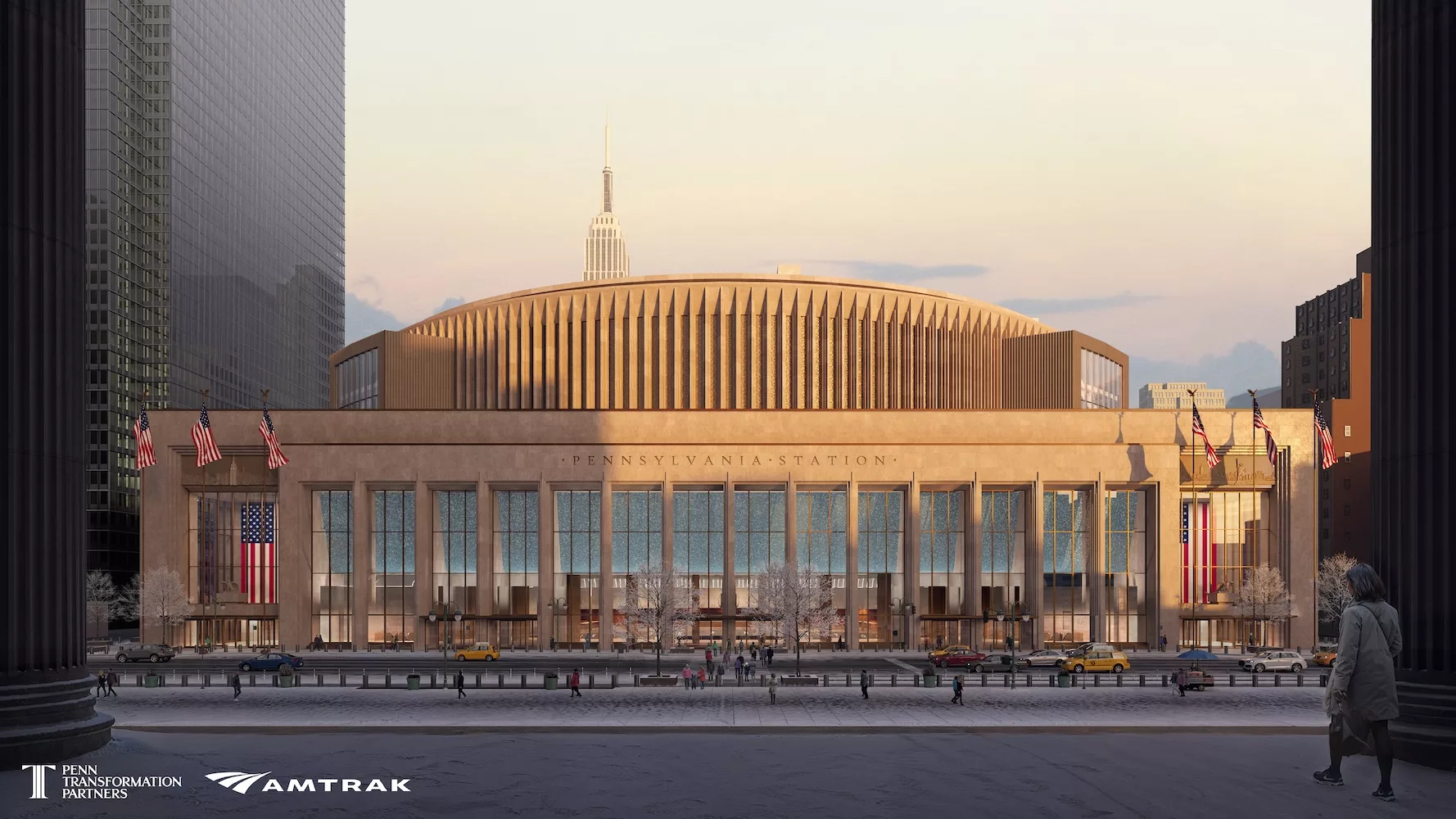
This has article has been updated to share renderings and diagrams unveiled during a press briefing held several days after the announcement of the consortium selected to lead the multi-billion-dollar revitalization of New York’s Penn Station. The briefing included Andy Byford, senior vice president for high-speed rail development at Amtrak; Peter Cipriano, executive vice president of Halmar International and CEO at Penn Transformation Partners; Nate Sizemore, the U.S. Department of Transportation’s assistant secretary for public affairs; and Vishaan Chakrabarti, founder and creative director of PAU, who led a detailed design overview of the planned reimagining of the much-maligned transit hub. In lieu of rebuilding the station from scratch, the current proposal “preserves and reworks substantial portions of the existing structure through surgical reconstruction paired with a radical rethinking,” per PAU. Clad in monumental stone and featuring terra-cotta ornamentation, the design of the transformed Penn Station nods to both McKim, Mead & White’s original station and the Farley Building across Eighth Avenue. Chakrabarti calls the new station a“mirror of a mirror of a ghost,” that reflects “both the memory of the original Penn Station and its architectural relationship to Farley.” Further details on Penn Station’s long-overdue overhaul can be found at sister publication Engineering News-Record.
If there is one cause New Yorkers can rally behind, it is improving the singularly miserable experience of commuting through Penn Station. That decades-long aspiration may now be realized. On May 20, Amtrak announced that a consortium led by construction giants Halmar International and Skanska had been selected as master developer to overhaul the busiest commuter hub in the western hemisphere.
The consortium, Penn Transformation Partners, includes design architect Practice for Architecture and Urbanism (PAU); executive architect HOK; Italian infrastructure management company ASTM; project and construction managers AECOM and Liro; and Vornado Realty Trust, which owns much of the surrounding neighborhood. The group was awarded the project following a competition announced last August.
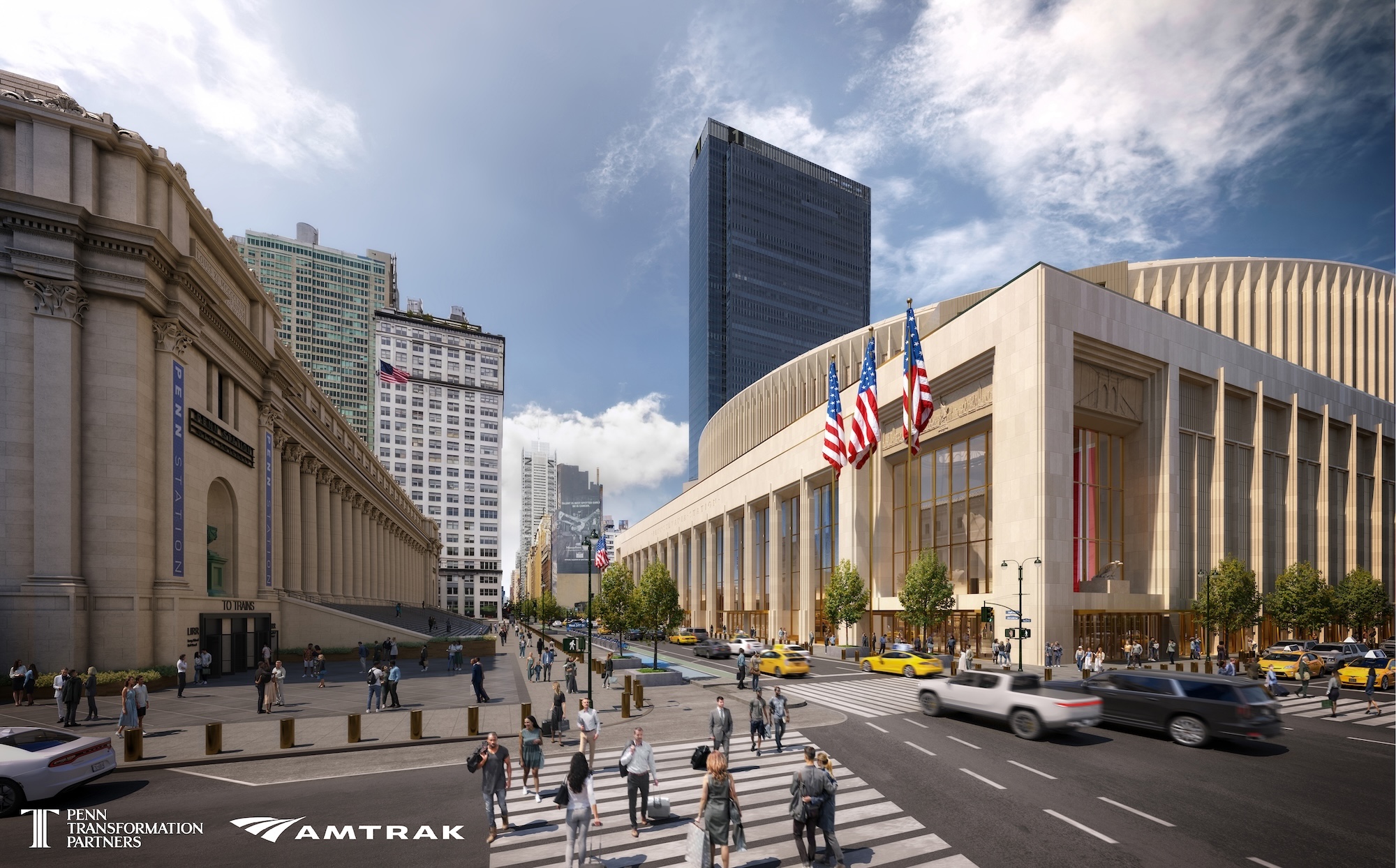
View of transformed Penn Station from corner of 8th Ave. and 31st Street. Images courtesy Penn Transformation Partners/Amtrak, rendering by PAU
What’s wrong with Penn Station? Almost everything.
The current station replaced McKim, Mead & White’s Beaux-Arts monumental depot (1910) with a subterranean maze of commuter and rapid transit lines capped by Madison Square Garden and a commercial office tower (1968). The downsizing was partially based on the mistaken assumption that daily ridership—then roughly 200,000 commuters—would remain flat or decline. Instead, passenger volumes tripled over the succeeding half century, swelling to 600,000.
Where visitors once passed through a soaring waiting room modeled after the Baths of Caracalla and a steel-and-glass-built train shed, they now navigate a dim labyrinth of passageways before reaching Midtown West.
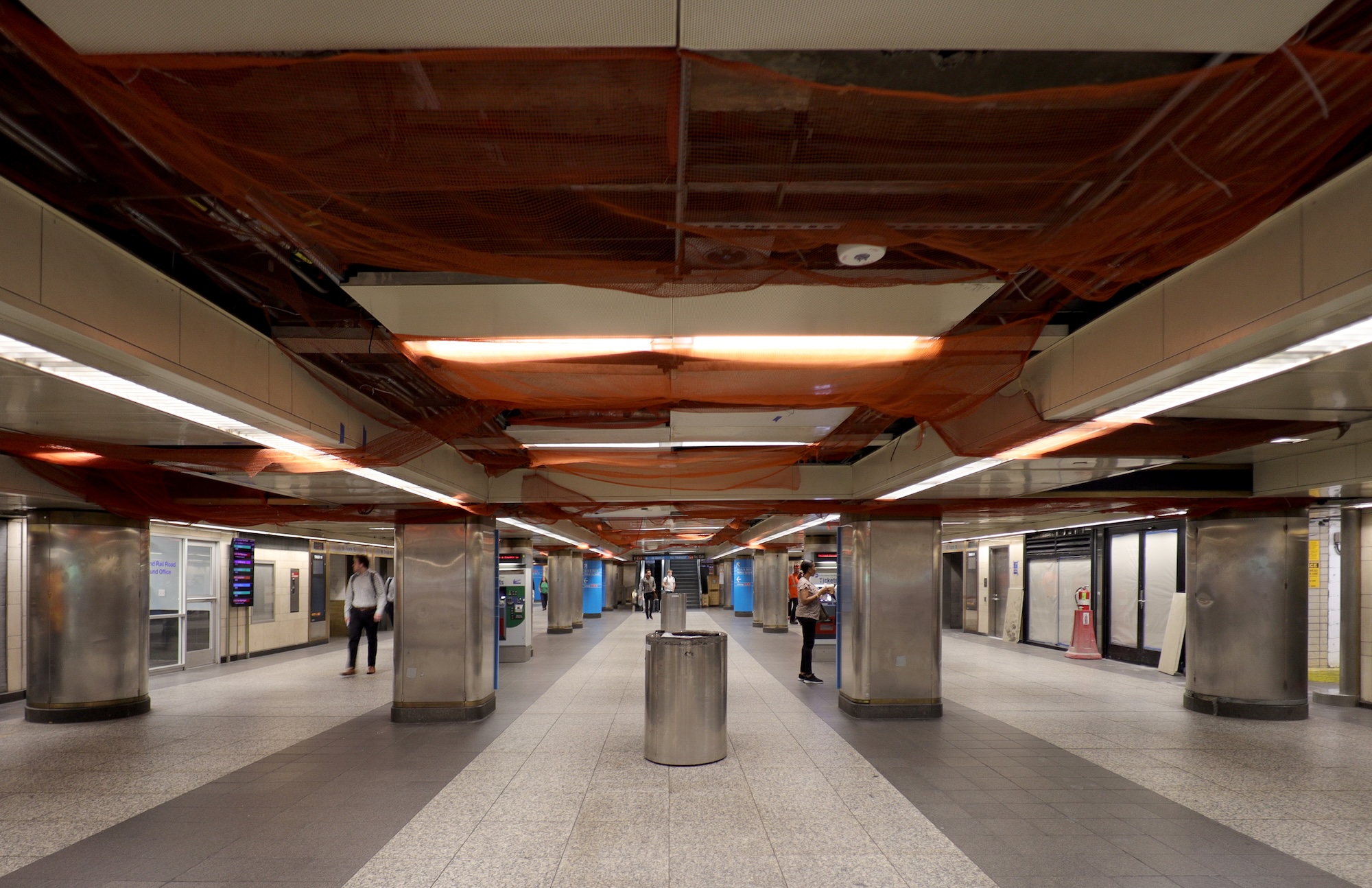
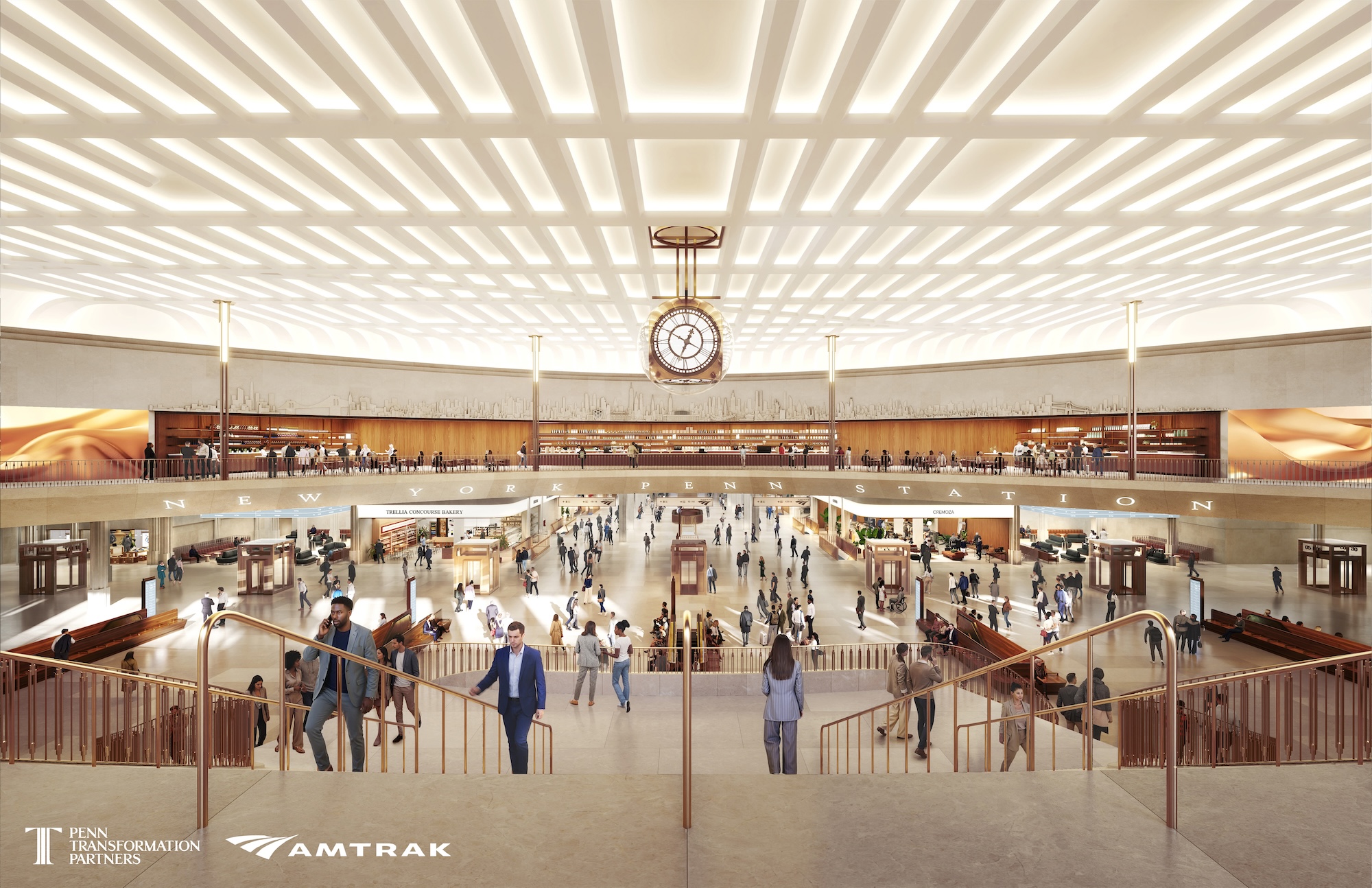
Before and after views of concourse/train hall. Images courtesy Penn Transformation Partners/Amtrak, rendering by PAU
Although specific design plans and renderings are yet to be released, Amtrak, in a statement, outlined several major changes. Madison Square Garden will remain in place, but its 5,500-seat theater will be removed to make way for a grand entrance on Eighth Avenue. Cramped hallways and notoriously confusing circulation will be replaced by spacious concourses. The project also promises to expand track capacity, which could enable through-running by commuter rail services—Penn station would function as a stop rather than a terminal. In keeping with the aesthetic preferences of the Trump administration, Madison Square Garden will be reclad in a “classical look.”
Looking for quick answers on architecture and design topics?
Try Ask RECORD, our new smart AI search tool.
Ask RECORD →
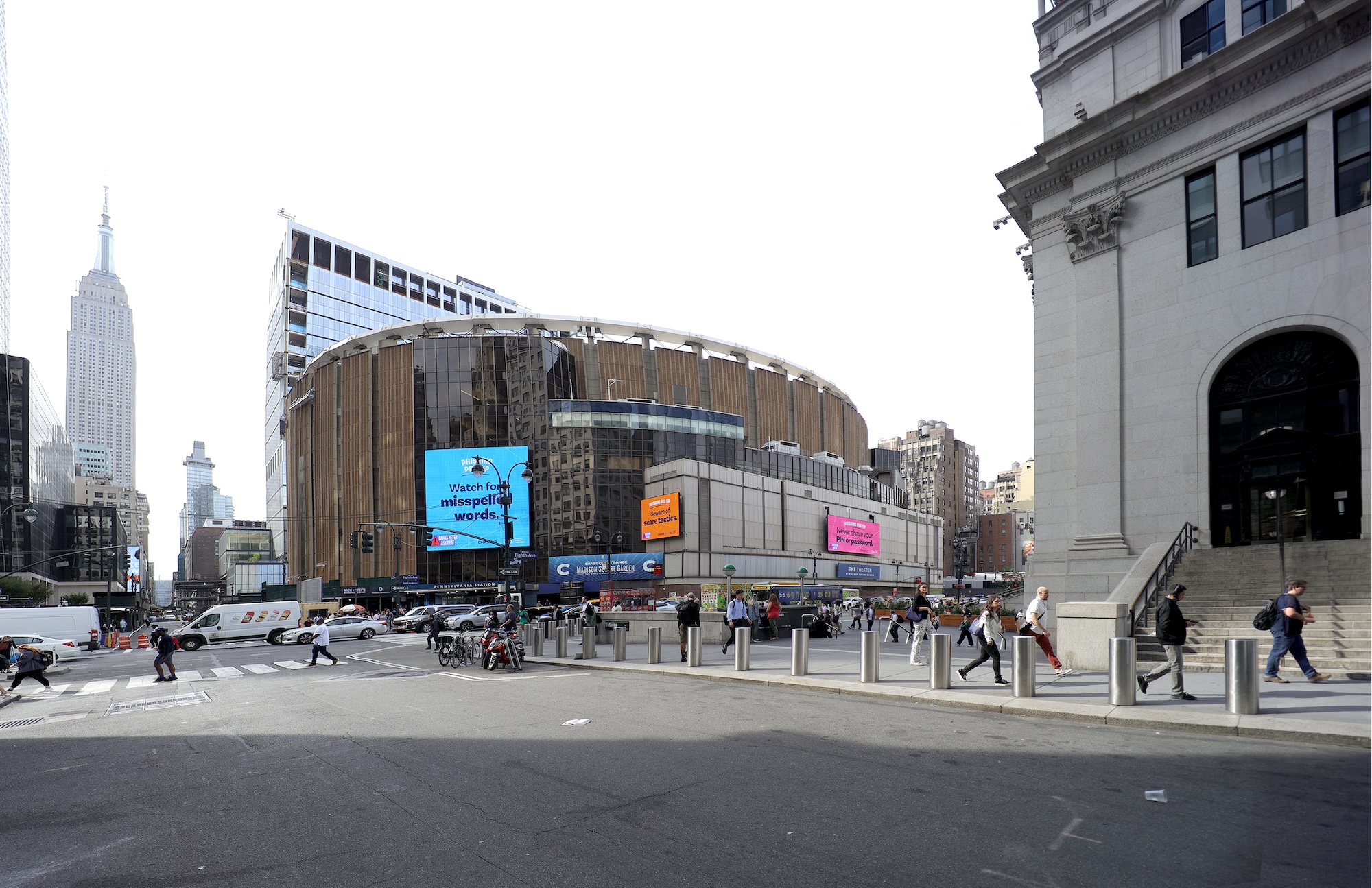

Before and after views of Penn Station, as seen from 8th Ave. and 33rd Street. Images courtesy Penn Transformation Partners/Amtrak, rendering by PAU
The revamped Penn Station will join several recent improvements to the transit complex, including the SOM-designed Long Island Railroad concourse and entryway (2020) and Moynihan Train Hall (2021).
The Federal government will provide $200 million to begin construction and has pledged $8 billion to the project overall. If all goes well, the renewed Penn Station will break ground by the end of 2027.
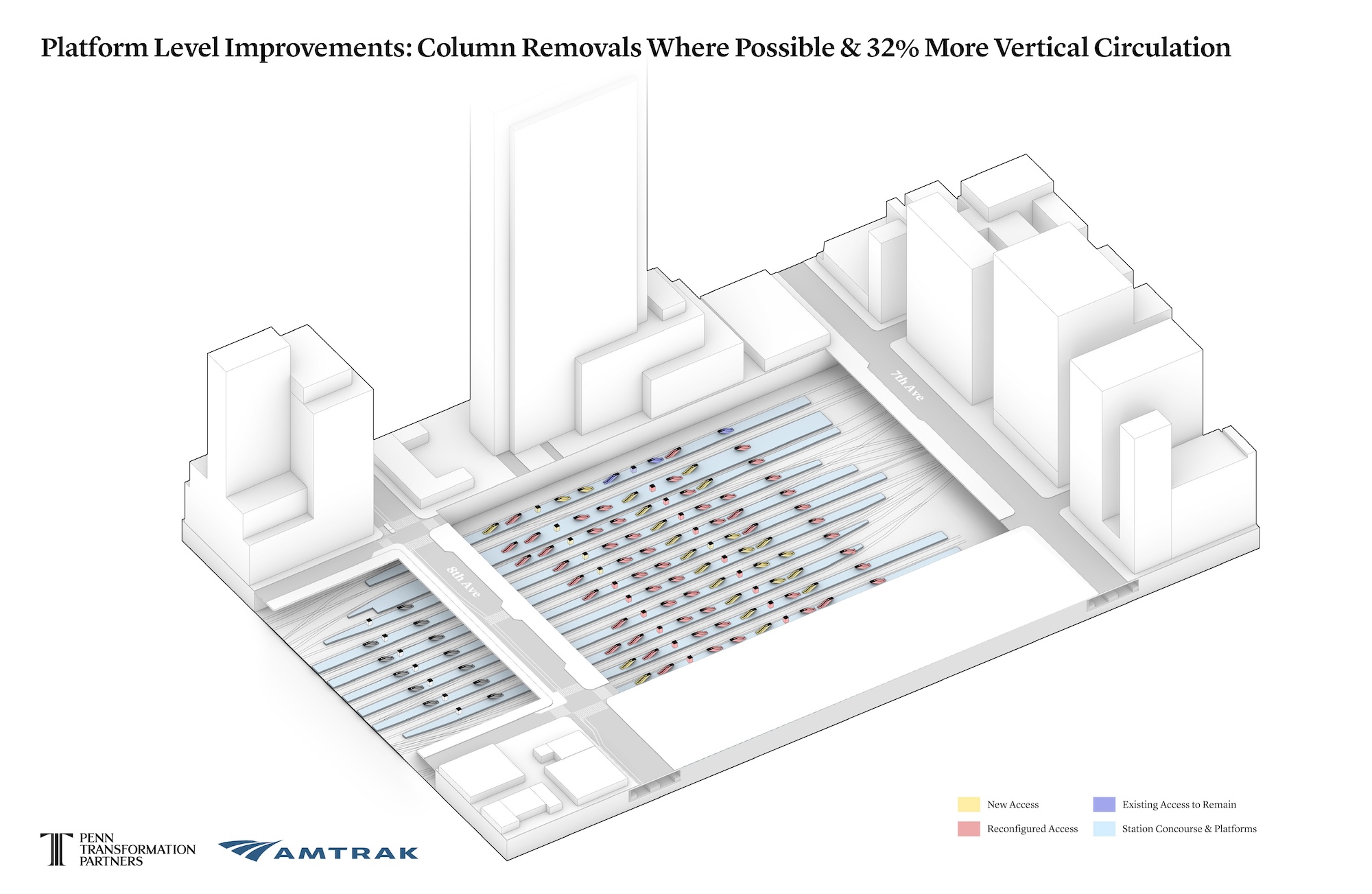
Image courtesy Penn Transformation Partners/Amtrak, diagram by PAU
.jpg "Penn Station Transformation")
Image courtesy Penn Transformation Partners/Amtrak, diagram by PAU
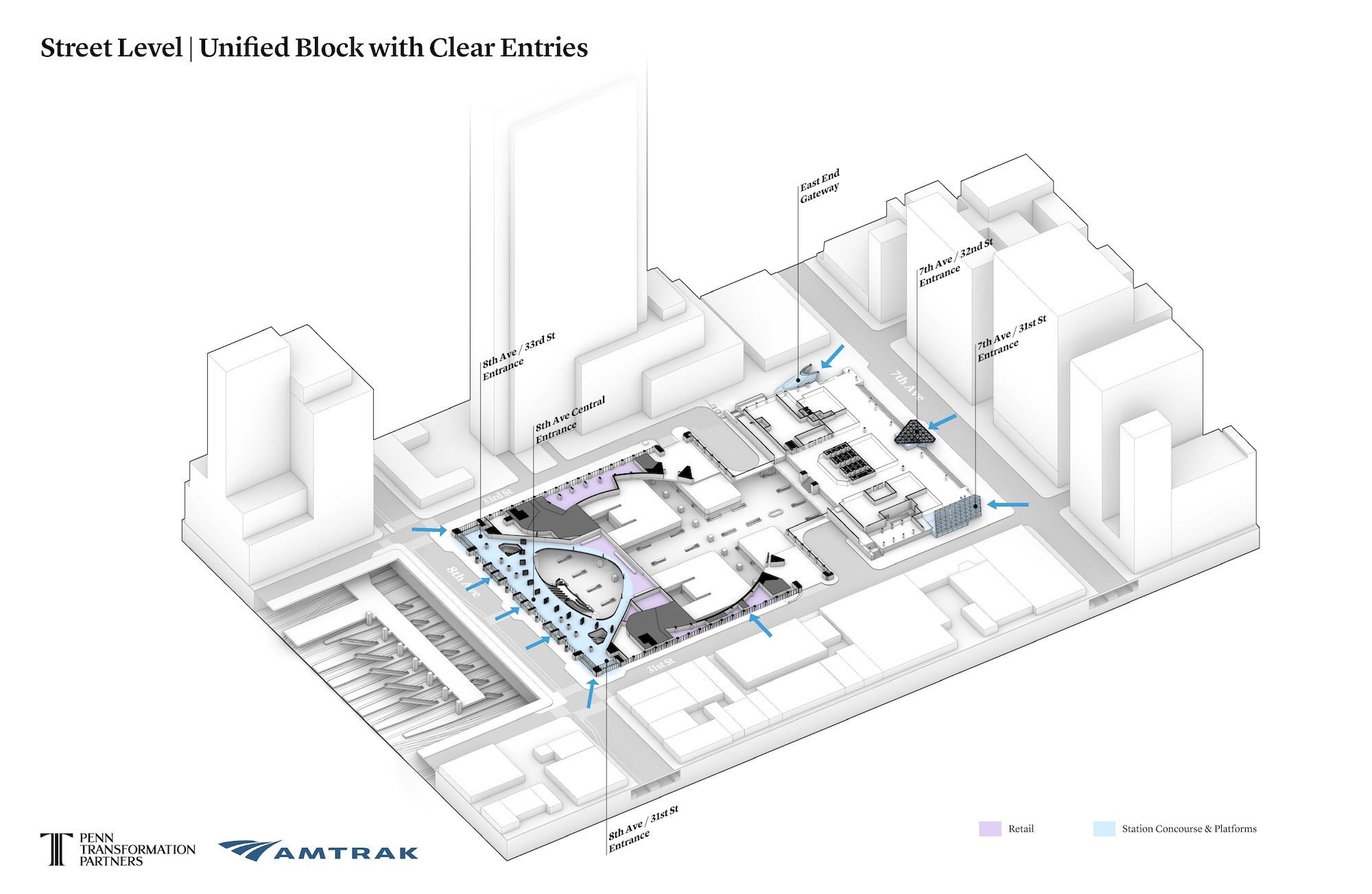
Image courtesy Penn Transformation Partners/Amtrak, diagram by PAU
Looking for a reprint of this article?
From high-res PDFs to custom plaques, order your copy today!