I.M. Pei’s Archives are Heading to the MIT Museum
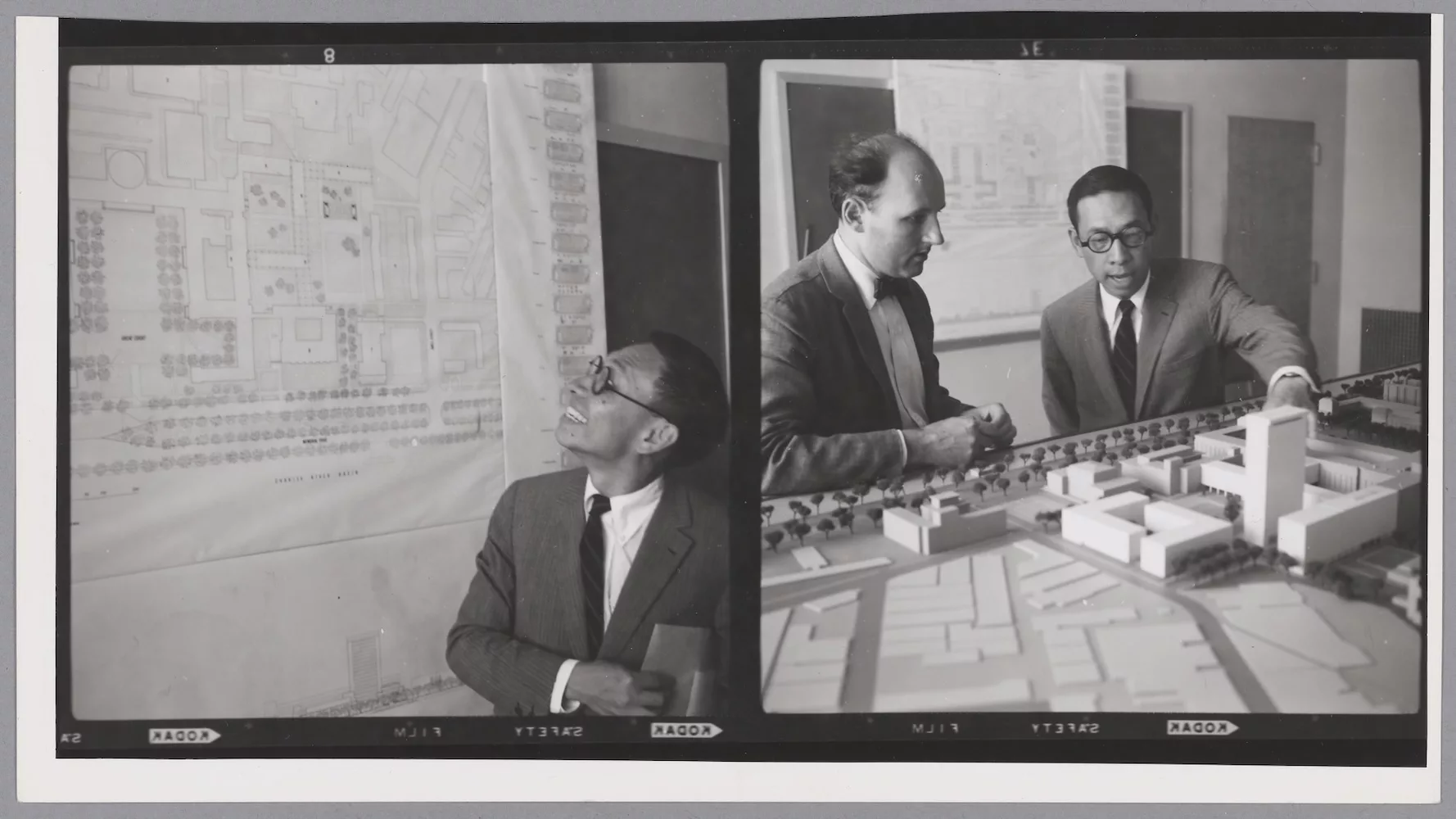
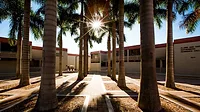
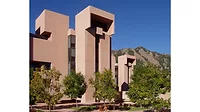
The MIT Museum has announced the “landmark” acquisition of I.M. Pei’s project archive via a promised gift from Pei Cobb Freed & Partners, the New York firm established by Pei in 1955. The collection—1,500 rolls of architectural drawings, 50 architectural models, 1,000 linear feet of manuscripts, and more—represent more than 60 projects designed over Pei’s prolific career, including emblematic works such as Boston’s John F. Kennedy Presidential Library and Museum, Louvre Pyramid in Paris, and the East Building at the National Gallery of Art in Washington, D.C. Also included is Dallas City Hall (1978), which faces potential demolition despite local and national uproar; an older work also facing down an uncertain future is his Mesa Laboratory in Boulder, Colorado (1966). Materials for several Pei-designed buildings on the Cambridge campus of the Massachusetts Institute of Technology—the Green Building and Wiesner Building, original home to the MIT Media Lab, among them—are also featured in the archives.
PeiCobbFreed.jpg "louvre pyramid rendering")
Rendering of the Louvre, Paris. Image © Pei Cobb Freed & Partners
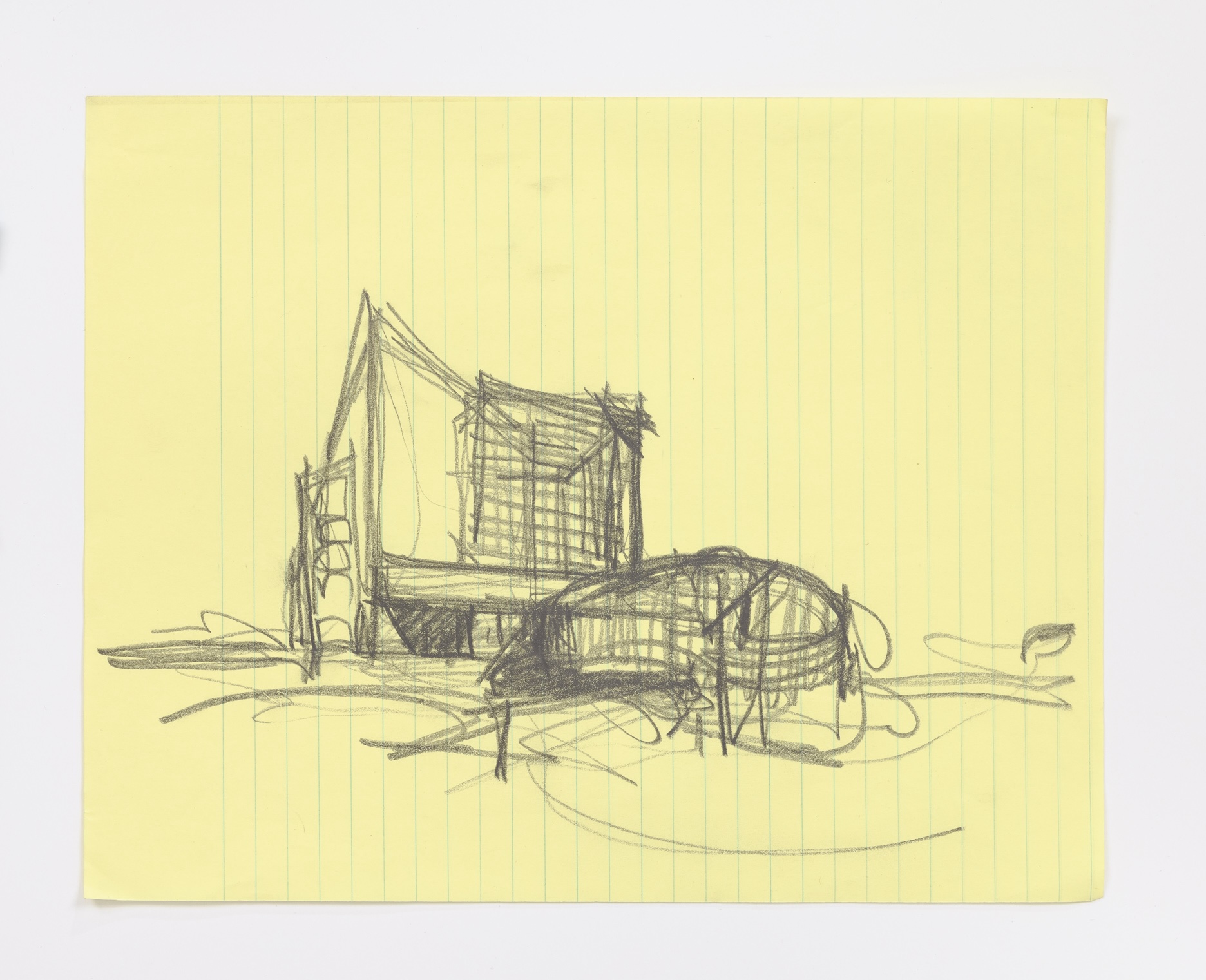
Sketch of John F. Kennedy Library and Museum. Image © Pei Cobb Freed & Partners
Once the transfer is complete, the MIT Museum will be home to the largest single repository of Pei’s work and serve as what it calls a “leading hub of research and study” of the 1983 Pritzker Prize–winning Chinese-American architect.
PeiCobbFreed.jpg "green building, mit")
The Green Building, MIT, under construction in September 1963. Image © Pei Cobb Freed & Partners
Pei, of course, is one of MIT’s most famous architectural alums, receiving his B.Arch. from the school in 1940. A sizable trove of student work produced by Pei during his undergraduate years is already held by the school’s museum. After graduating, the young Pei continued his studies at the Harvard Graduate School of Design where he studied under Marcel Breuer and Walter Gropius. Although he retired from full-time practice in 1990 while in his early 70s, Pei continued to take on smaller projects and remained an active presence in the profession until his death at the age of 102 in 2019. Throughout his celebrated career, he maintained close ties with his alma mater.
In a statement, Hashim Sarkis, dean of MIT’s School of Architecture & Planning, stressed the close ties between the architect and the university.
“Pei came to the United States from China to study architecture and found at MIT a place where he could belong,” said Sarkis. “There is something deeply meaningful about seeing this archive come to MIT, where so much of that journey began. It will become a living resource for our students, offering direct access to the drawings, models, and ideas of an architect whose work continues to shape the way we think about cities, institutions, and the public realm.”
Looking for quick answers on architecture and design topics?
Try Ask RECORD, our new smart AI search tool.
Ask RECORD →
Looking for a reprint of this article?
From high-res PDFs to custom plaques, order your copy today!