November 2025 Editor’s Letter
Prize Package
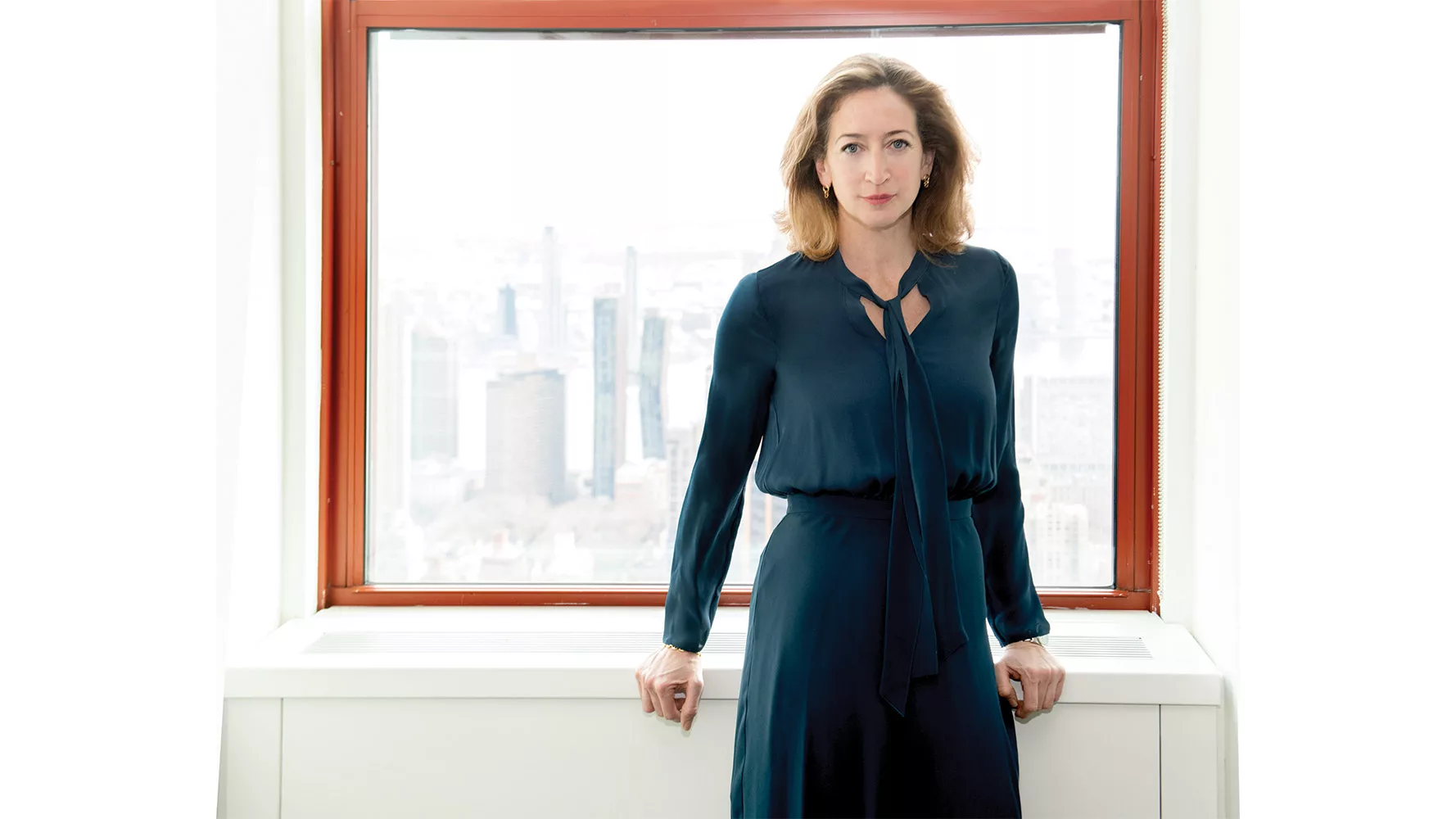
One of the perks of working at RECORD is getting to visit the finest examples of contemporary architecture, which we then write about for the magazine. In 2009, for my very first Record Houses article—a coveted assignment—I had the good fortune to cover a house in upstate New York by Thomas Phifer. I didn’t know much about Phifer at the time, but I left the property thinking, “Who is this guy?”
A series of deftly arranged pavilions sited atop a ridge and colored a deep red from the patina of the weathering-steel cladding, the residence was a revelation—even blanketed as it was in a foot of snow that cold February day. “Would all the Record Houses I’d visit be this good?” (In all truth: not really.)
I have since toured and written about other buildings—not just houses—by Phifer, including the North Carolina Museum of Art in Raleigh (2010) and the Contemporary Art + Design Wing at the Corning Museum of Glass in New York (2015). Despite all the travel that has come with RECORD assignments over the years, I have not often found myself in awe of what I’m seeing—as happens when visiting any of Phifer’s varied projects. The impeccable detailing, the masterful choreography of spaces, the brilliant play of light, and the sheer beauty of the overall ensemble make Phifer a consummate architect. He is one for whom design remains paramount.
For these reasons we have honored Phifer with the inaugural Architect of RECORD prize, established to recognize an exceptional career and body of work. And, with this issue, we are proud to announce the winners of the first annual Architectural Record Awards. Premiated buildings and unbuilt projects—selected by a jury of esteemed professionals—span more than a dozen categories.
This issue also highlights college and university buildings, including the Schwarzman Centre for the Humanities at the University of Oxford by Hopkins Architects, featured on the cover. It is a structure that is simultaneously classical and highly innovative. Says Hopkins partner Andrew Barnett: “We wanted it to be a contemporary building that speaks to the 900-year history of the university.” In New Jersey, another work of similar quality has opened, the Princeton University Art Museum. When I visited it this summer, along with managing editor Leopoldo Villardi, who writes about it, I was again left in awe. The museum is an exceptional achievement by Adjaye Associates. But there is no consolation prize for its lead designer, David Adjaye, who is absent from the celebrations. Adjaye talks to RECORD about the 2023 scandal that has dramatically altered the trajectory of his career.
As we celebrate buildings with these remarkable exemplars and our new awards program, we are reminded by Andrew Holder, chair of Graduate Architecture, Landscape Architecture, and Urban Design at Pratt Institute, of the surprising disappearance of the very word building from architecture schools. As he advises both students and professionals in this month’s Forum, “Do not cede the project of designing buildings to any single ideological position. Do not consent to disappear.”
Looking for quick answers on architecture and design topics?
Try Ask RECORD, our new smart AI search tool.
Ask RECORD →
Looking for a reprint of this article?
From high-res PDFs to custom plaques, order your copy today!