RSS
RSS
Architecture Top Stories
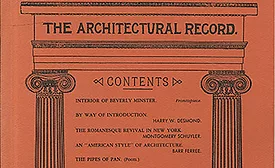
The Formative Years
Architectural Record turns 125 this year. In celebration, we present memorable moments from the magazine’s early days.
Read More

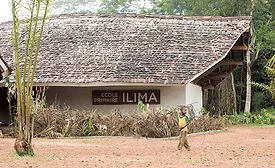
Ilima Primary School
A remote Congolese village promises to protect the rain forest in exchange for an innovative school building.
Read More

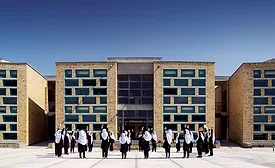
Gohar Khatoon Girls' School by Robert Hull with Elizabeth Golden
Mazar-i-Sharif, Aghanistan
Read More

Thomas Heatherwick and Diamond Schmitt Architects to Collaborate on Geffen Hall Renovation
Lincoln Center will spend $500 million to renovate the interior of the building.
Read More

Harbin Opera House
The sensual lines of a performing-arts complex express a city's bold bid for attention.
Read More

Messner Mountain Museum Corones
A mountaineering museum puts the daunting and spectacular landscape around it into sharp focus.
Read More

National Sawdust
A chamber-sized venue in Brooklyn rewrites the score for classical and experimental music.
Read More

CaixaForum
At a dynamic arts center, L-shaped volumes seem to float as they cantilever out to the surrounding city.
Read More