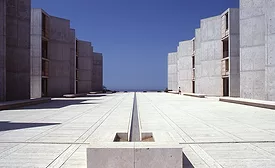
Globe-Trotting Louis Kahn Exhibition Makes Final Stop in Philadelphia Joann Gonchar, FAIA August 28, 2017 No Comments Five years opening in Rotterdam, the retrospective returns to the architect’s hometown.Read More
Continuing Education: Lighting Controls Linda C. Lentz Joann Gonchar, FAIA August 1, 2017 One Comment The latest LEDs, coupled with sophisticated sensors and wireless technologies, are changing the role of lighting in the built environment.Read More
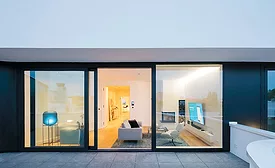
Apartimentum by Kleffel Papay Warncke Architects and Notholt Lighting Design Hamburg Joann Gonchar, FAIA Linda C. Lentz August 1, 2017 No Comments A German tech entrepreneur and investor developed this innovative 20-unit building with wireless connectivity throughout.Read More
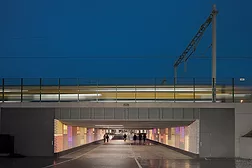
Willem II Passage by Civic Architects with Bright and Lustlab Tilburg, The Netherlands Joann Gonchar, FAIA Linda C. Lentz August 1, 2017 No Comments Dynamic lighting enlivens an urban space that might otherwise feel deserted or inhospitable.Read More
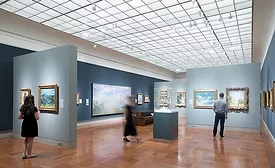
Nelson-Atkins Museum of Art Bloch Galleries Renovation by BNIM and Renfro Design Group Kansas City, Missouri Joann Gonchar, FAIA Linda C. Lentz August 1, 2017 No Comments New laylights provide ambient illumination throughout the galleries of a renovated museum.Read More
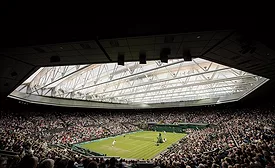
Wimbledon Centre Court by Populous and ME Engineers London Joann Gonchar, FAIA Linda C. Lentz August 1, 2017 No Comments An updated lighting control system communicates with every feature in the U.K.'s premier tennis venue.Read More
Swedish Medical Center Behavioral Health Unit by ZGF Architects Seattle Joann Gonchar, FAIA Linda C. Lentz August 1, 2017 No Comments Designers imbued the two central gathering areas—which have no access to daylight—with a natural sense of the passage of time.Read More
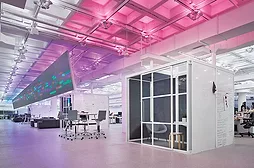
R/GA Office New York by Foster + Partners and Tillotson Design Associates New York City Joann Gonchar, FAIA Linda C. Lentz August 1, 2017 No Comments A lighting designer and her team devised a dynamic scheme to engage the employees and foster their creativity and well-being.Read More
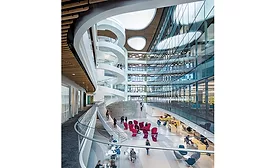
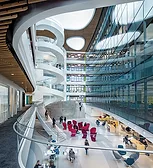
Northeastern University Interdisciplinary Science and Engineering Complex by Payette and Arup Boston Joann Gonchar, FAIA Linda C. Lentz August 1, 2017 No Comments Architects created a student hub by adding a six-story-tall central atrium to a new building on campus.Read More
MASS MoCA by Bruner/Cott North Adams, Massachusetts Joann Gonchar, FAIA July 1, 2017 No Comments The contemporary-art museum in North Adams, North Adams, Massachusetts, celebrates its 20th anniversary this month. Read More