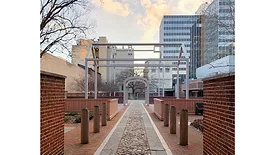
Located in the colonial district of an American city, this project consists of a set of reconstructed 18th-century buildings, an underground museum, and the sculptural steel outline of a house.
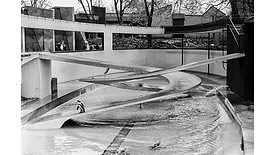
Designed by an émigré from the Soviet Union, the curved structure helped introduce Modernism to a skeptical public—and illustrated its theatrical potential.
The 54 winning products were selected by an independent jury of architects and designers for their innovation, aesthetics, performance, and sustainability.
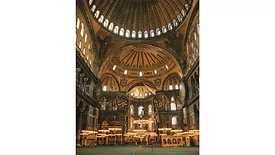
The Byzantine emperor who commissioned this 1,500-year-old church-turned-mosque is better known than its designers, who were trained in engineering and mathematics.
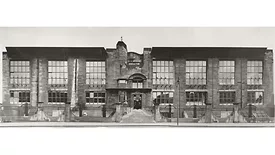
Designed by one of the era's most influential architects, this school of art exemplifies early 20th century efforts to root novel forms in craft-based traditions.