Our Publications
Please select a publication below.
Architectural Record

2016 May
Building Type Study
Back to Top

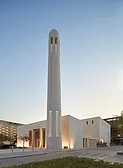
Jumaa Mosque and Sacred Heart Cathedral by John McAslan + Partners
Doha, Qatar and Kericho, Kenya
Read More

St. Paulus Catholic Church
Light in the Darkness: A church in the Black Forest provides a tranquil retreat for parishioners.
Read More
Architectural Technology
Back to Top
Continuing Education: 3D Printing
Beyond the Prototype: Architects and designers take additive manufacturing to a new level.
Read More
Projects & Special Sections
Back to Top
Taghkanic House
A weekend retreat in Upstate New York embraces its rural context—and green and smart solutions.
Read More
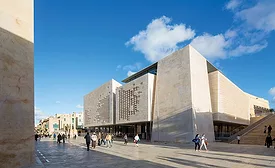
Valletta City Gate
Gateway to the Past: The entrance to a capital city responds to topographical and historical layers.
Read More
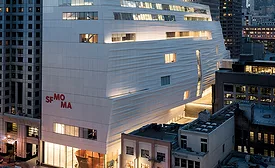
San Francisco Museum of Modern Art
Rising Art Scene: Like its predecessor, an addition to SFMOMA asserts itself in a rapidly developing neighborhood.
Read More

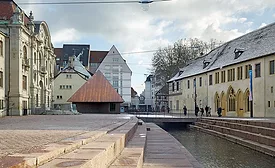
Musée Unterlinden
Medieval Makeover: With a few carefully considered interventions, Herzog & de Meuron expands a storied museum.
Read More
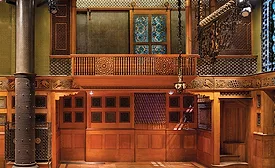
Veteran’s Room at the Park Avenue Armory
Every Last Detail: Herzog & de Meuron shine a new light on a sumptuous gem.
Read More
Departments
Back to Top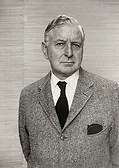
Ernest and Esther Born
Born to Design: A couple from the San Francisco Bay Area advanced the cause of modernism using architectural and graphic expertise.
Read More


Spring 2016: RECORD Selects
A roundup of new books, from Hawksmoor to Scarpa, plus monographs of note.
Read More
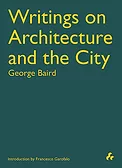
Frampton on Baird/Baird on Frampton
Writings on Architecture and the City
Kenneth Frampton reviews George Baird's new book.
Read More
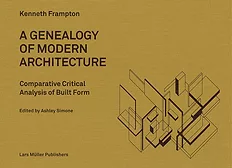
Frampton on Baird/Baird on Frampton
A Genealogy of Modern Architecture: Comparative Critical Analysis of Built Form
George Baird reviews Kenneth Frampton's new book.
Read More
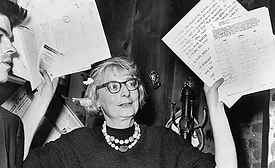
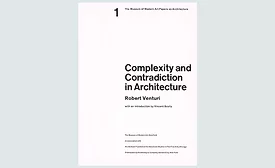
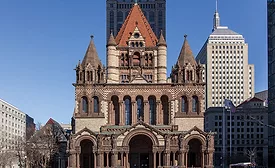
Guess the Architect Contest May 2016
A young architect's design of a polychromed, solid stone church with rounded arches proved to be an influential alternative to the prevalent gothic idiom of the time. A style was even named after him.
Read More

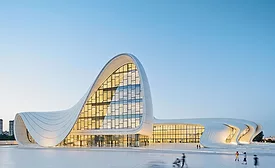
Architects and the Creative Impulse
Zaha Hadid was a gamechanger—in her radical vision of architecture and as a trailblazer for women.
Read More

News
Back to Top


Products
Back to Top
May 2016 Product Focus: Rockwell Collaborations
Rockwell Group collaborates on two contract lighting lines.
Read More

May 2016 Product Briefs: Building Envelopes
New sheathing, insulation, and architectural-mesh systems save energy and time.
Read More


May 2016 Product Briefs: Acoustics
These environmentally friendly interventions combat sound from every angle.
Read More
Practice
Back to Top