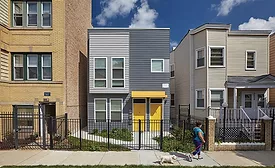
Chicago by David Brown Cathleen McGuigan September 1, 2021 No Comments David Brown, director of the city’s 2021 Biennial, discusses the design potential for abandoned spaces.Read More
New Orleans by Martin Pedersen Martin C. Pedersen September 1, 2021 2 Comments As Hurricane Ida demonstrated, the city and Gulf Coast remain vulnerable to the Next Big One.Read More
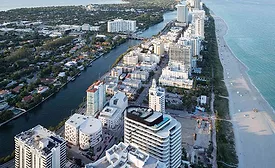
Miami by Germane Barnes Cathleen McGuigan September 1, 2021 One Comment Germane Barnes explains the need for social resilience in the face of climate change.Read More
Los Angeles by Christopher Hawthorne Sarah Amelar September 1, 2021 2 Comments The Chief Design Officer of L.A., Christopher Hawthorne, talks about the city’s most urgent problems.Read More
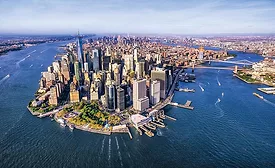
New York City by Thomas Dyja Thomas Dyja September 1, 2021 4 Comments The city that never sleeps must finally wake up to the vast inequities in housing, education, and services.Read More
Urban Futures Diana Lind September 1, 2021 2 Comments Two Harvard economists propose solutions to cities post-Covid.Read More
The Future of Affordable Housing Why is the Housing Market Insane? James S. Russell, FAIA Emeritus September 1, 2021 3 Comments Systemic dysfunction drives home prices out of reach for too many.Read More
Commentary: Demolish The Vessel Cathleen McGuigan August 2, 2021 15 Comments After the fourth suicide victim, a boy of 14, leapt to his death Thursday July 29, it is time not only to close this folly, but to raze it.Read More
Top 300 U.S. Architecture Firms of 2021 Gensler Remains First Bridget Goldberg June 29, 2021 One Comment For a decade, Gensler has topped RECORD's annual list of the Top 300 Architecture Firms in the U.S.Read More
Design Vanguard 2021: Undecorated Detroit Clifford A. Pearson June 2, 2021 No Comments Ishtiaq Jabir Rafiuddin’s Detroit studio takes on inexpensive and gritty projects that transform long-abandoned structures and introduce exciting new construction.Read More
 RSS
RSS