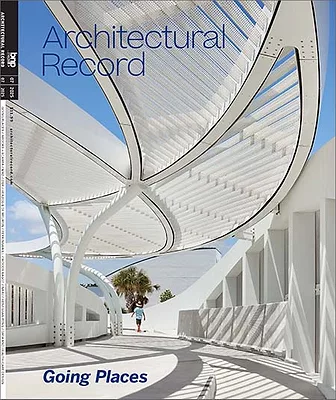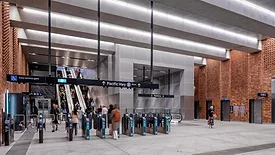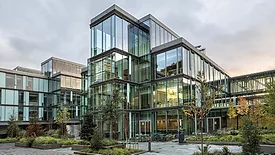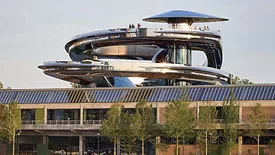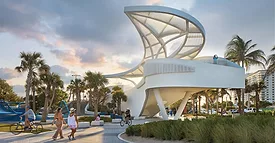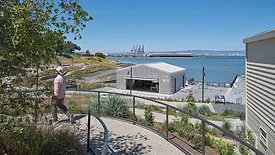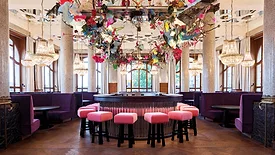
RECORD is going places this month in a transit section showcasing a neighborhood-revitalizing rail station on Chicago’s Near West Side, a pair of commuter train hubs in two major Australian cities, and Seattle’s sleek, seismically sound new ferry terminal. The issue also features travel-worthy destinations, including singular museum projects in Rotterdam and London and three disparate landscapes: A Fort Lauderdale park designed to withstand rising seas, a community hub perched on San Francisco’s eastern shoreline, and a revamped open-air museum in New York’s Hudson Valley. Our wanderlust also takes us to a spiffed-up Swiss hotel and to Nova Scotia for a visit to July’s House of the Month.
Check back throughout the month for additional content.
In the shadow of the United Center arena, an AIA Architecture Award–winning rapid transit facility is a driver for reinvestment and revitalization in the area around it.
Civic-oriented and seismically sound, Washington State Ferries’ new NBBJ-designed Seattle terminal—the busiest transit hub of its kind in the U.S.—replaces a cramped and outdated 1960s-era facility.
Melding new construction and adaptive reuse, the ‘Tornado’-topped project marks the first completed cultural commission in Europe by the Beijing-based firm.
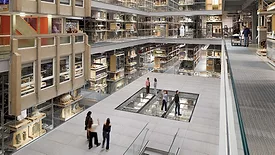
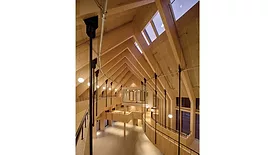
The New York firm’s scheme for the East Storehouse project at Queen Elizabeth Olympic Park plunges visitors into the heart of the Victoria & Albert Museum’s deliriously eclectic collections.
For the sixth consecutive year, Gensler and Perkins&Will command the highest positions in first and second place, respectively, on our annual ranking of the Top 300 U.S. architecture firms by revenue.
Heneghan Peng, WXY, Reed Hilderbrand, and Gustafson Porter + Bowman collaborated on the $53 million project at the open-air museum in New York's Hudson Valley.
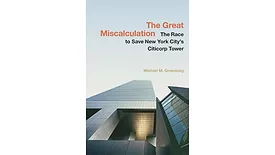
The book on Citicorp Tower and its potentially calamitous design flaw ‘puts a fresh spin on a familiar story that continues to offer lessons for the building professions writ large.’
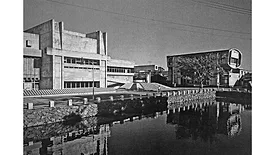
Located in the hometown of the Pritzker Prize–winning architect who designed them, this library and medical center represent one idiosyncratic strain of the postwar Metabolism movement.
The Danish architect envisioned the Copenhagen facility, featuring an inviting central atrium, as a ‘really friendly, attractive place where people want to go.’
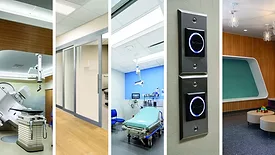
Offering optimized efficiency and ease of use, these innovative solutions for health care settings include telescoping panels and motion sensor operators.